Sodium-Ion Battery for Campground Power Stations: A Practical Buyer’s Look
Sodium-Ion Battery for Campground Power Stations: A Practical Buyer’s Look
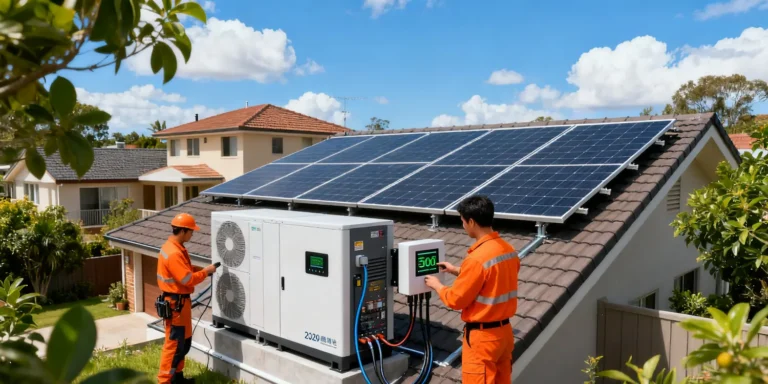
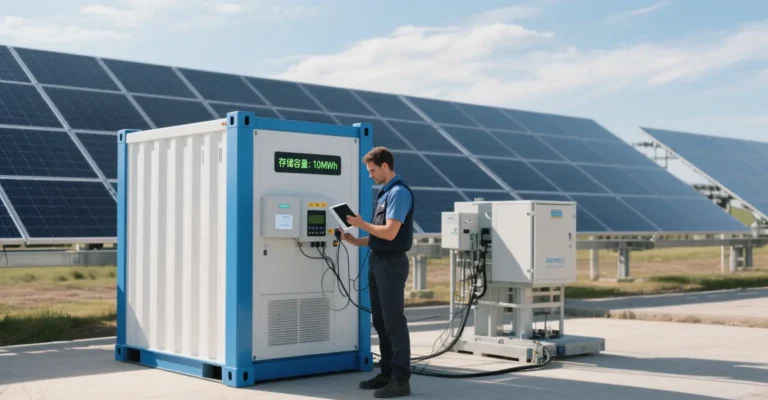
Campgrounds and RV parks are quietly becoming distributed energy sites: shower blocks, gate barriers, Wi-Fi masts, and rentable power pedestals all need electricity in places where trenching grid cable costs more than the equipment it feeds. The sodium ion battery has emerged as a strong candidate for this niche because campground power is exactly the workload sodium chemistry is good at — stationary, weight-insensitive, seasonal, and exposed to cold nights that punish other chemistries.
Why Campgrounds Are a Natural Fit for Sodium-Ion
Three characteristics line up. First, weight does not matter: the battery sits in a cabinet beside a solar array, so sodium’s lower energy density (140–160 Wh/kg) costs nothing in practice. Second, campgrounds in mountain and northern regions see overnight temperatures well below freezing in shoulder season; sodium-ion cells charge and discharge at −20 °C without the preheating a lithium pack needs. Third, the fire question: a battery cabinet standing among tents, dry grass, and propane bottles should be the least flammable thing on site, and sodium-ion’s thermal stability is a genuine, not marketing, advantage.
Sizing a Campground System
A 40-pitch campground with a shower block, office, and lighting typically draws 15–30 kWh per day off-grid. A practical build is a 10 kW solar array with 30–40 kWh of sodium-ion storage, giving one full day of autonomy plus margin for a cloudy weekend. Rentable USB/230V pedestals add roughly 1 kWh per occupied pitch per day — meter them, because unmetered pedestals get used to charge e-bikes all night.
Sodium-Ion vs LiFePO4 for Outdoor Stationary Storage
| Attribute | Sodium-ion | LiFePO4 | Gel lead-acid |
|---|---|---|---|
| Low-temp charging | −20 °C native | 0 °C (needs heater below) | Poor, capacity halves |
| Cycle life | 3000–5000 | 3000–6000 | 500–800 |
| Fire risk profile | Lowest | Low | Low (acid hazard) |
| Transport & storage | Ships at 0 V | Regulated (UN 38.3) | Heavy, acid rules |
| Cost trend 2026 | Falling fast | Stable | Flat |
Winterization Is Where Sodium Pays Off
Seasonal campgrounds shut down for months. Sodium-ion cells can be stored fully discharged — even at zero volts — without damage, which simplifies winterization to literally switching the system off. A lithium bank, by contrast, must be left at 40–60% state of charge and checked periodically. For an owner who visits the site twice all winter, that operational simplicity is worth as much as the spec-sheet numbers.
Procurement Notes
Sodium-ion supply in 2026 is still concentrated among a handful of cell makers, so buy the battery as an integrated cabinet with BMS and inverter matched by the supplier rather than assembling mixed-vendor components. Ask for IP54 or better on the cabinet, a heater-free low-temperature test report, and a cycle-life warranty stated at your actual depth of discharge, not the lab’s.
A Worked Example
A 60-pitch lakeside campground in a valley with no grid connection installed a 12 kW solar array and 35 kWh of sodium-ion storage in spring 2026. Through a wet May the system logged four consecutive low-sun days and never dropped the shower block; overnight lows of −6 °C in the shoulder season required no battery heating at all. The owner’s only intervention across the season was clearing pine needles off the panels — a maintenance profile no generator-based setup can match, and a useful benchmark when comparing supplier proposals for your own site.
People Also Ask
Can sodium-ion batteries run RV hookup pedestals directly? Yes — through a standard inverter. The battery chemistry is invisible to the load; what matters is sizing the inverter for the simultaneous pedestal demand, usually 2–3 kW per occupied serviced pitch.
Are sodium-ion batteries cheaper than lithium for campgrounds? Per kWh they are approaching LiFePO4 and are expected to undercut it as production scales. The stronger savings today are operational: no winter storage management, no cold-weather heating energy, and simpler fire-compliance conversations with insurers.
Written by Karl at China Battery Technology. Request a quote.
Related reading: Sodium-Ion Battery for Offshore Platforms: Safer Remote Power