Energy Storage for Pharmacy Operations: Protecting Cold-Chain Stock When the Grid Fails
Energy Storage for Pharmacy Operations: Protecting Cold-Chain Stock When the Grid Fails
A community pharmacy can lose five figures of refrigerated stock — insulin, vaccines, biologics — in a single extended outage, and most insurance policies scrutinize whether “reasonable precautions” were in place before paying out. Regulators are equally unforgiving: once a vaccine fridge logs an excursion outside 2–8°C, the stock is presumed compromised. A properly sized home energy storage system adapted for light-commercial use is now the standard precaution we see independent pharmacies deploy, and it is considerably simpler to own than the diesel generator it replaces.
What Actually Needs Backup in a Pharmacy
Not the whole store. The critical-load panel for a typical independent pharmacy is small: one or two medical-grade refrigerators (150–400 W each), a freezer for certain vaccines, the dispensary computer and label printer, the alarm and temperature-monitoring system, and a few LED circuits. Total continuous draw is usually under 1.5 kW. That modest load is why a 5–10 kWh LiFePO4 storage system with a 3–5 kW hybrid inverter covers the vast majority of sites without touching three-phase infrastructure.
Runtime Math for Cold-Chain Protection
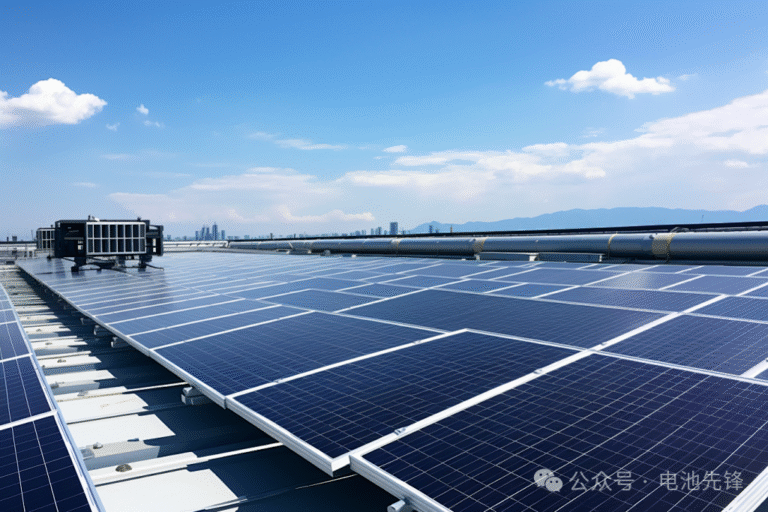
Medical refrigerators cycle their compressors, so average draw is roughly 40% of nameplate. A 10 kWh battery backing 1.2 kW of averaged critical load delivers about eight hours of protection — enough to ride out the overwhelming majority of grid events, and enough time to arrange stock transfer for the rare multi-day storm outage. Pairing the system with 3–4 kW of rooftop solar extends autonomy indefinitely for daytime-dominant loads and cuts the store’s baseline electricity bill between outages.
Backup Options Compared
| Option | Response time | Runtime | Annual upkeep | Indoor siting |
|---|---|---|---|---|
| 10 kWh LiFePO4 + hybrid inverter | <20 ms (UPS mode) | ~8 h @ 1.2 kW | Negligible | Yes, wall-mounted |
| Portable gasoline generator | 10–30 min (manual start) | Fuel-limited | Fuel, oil, testing | No — exhaust |
| Standby diesel generator | 10–30 s (auto) | Days | $500–$1,500 | No — pad + permits |
| Line-interactive UPS only | Instant | 15–45 min | Battery swap every 3 yrs | Yes |
Why Sub-Second Transfer Matters
Temperature loggers are not the only sensitive load. Dispensary software mid-transaction, controlled-substance cabinets with electronic locks, and POS terminals all react badly to even momentary power loss. A hybrid inverter in UPS mode transfers in under 20 milliseconds — the fridge compressor never notices, the computer never reboots, and the pharmacist keeps dispensing. A generator, even an automatic one, always leaves a gap that a battery must bridge anyway.
Compliance and Insurance Paper Trail
Choose a system whose monitoring app exports historical load and state-of-charge data. When an inspector or insurer asks what happened during last month’s outage, a timestamped log showing the vaccine fridge battery backup held 2–8°C throughout is the difference between a routine note and a destroyed-stock claim. Specify UL 9540 or IEC 62619 certification for the storage system itself; many landlords and insurers in strip-mall locations now require it for indoor installations.
People Also Ask
How much backup power does a pharmacy refrigerator need? A medical-grade fridge averages 100–160 W once compressor cycling is accounted for. A 10 kWh battery can run two fridges plus dispensary IT for roughly a full business day.
Is a battery better than a generator for a pharmacy? For sites under ~2 kW of critical load, yes: instant transfer, no fuel or permits, indoor installation, and no monthly test runs. Generators only win for multi-day rural outages.
Can the system reduce bills between outages? With solar or time-of-use shifting enabled, the same battery offsets daytime consumption, typically returning 10–20% of its cost annually in savings.
What certifications should drugstore power outage protection carry? UL 9540 (system) or IEC 62619 (cells), plus an inverter with UPS-class transfer under 20 ms for sensitive dispensary equipment.
Written by Karl at China Battery Technology. Request a quote.
Related guide: Home Energy Storage System
Related reading: Home Energy Storage for Island Communities: Reliable Off-Grid Power