Lithium Battery for Window Cleaning Robots: Power Density Where Every Gram Counts
Lithium Battery for Window Cleaning Robots: Power Density Where Every Gram Counts
A window cleaning robot hangs on a pane of glass by vacuum suction alone, so every extra gram of battery weight works directly against the motor that keeps it attached. When we get engineering enquiries from robot brands, the pack brief is always the same: maximum watt-hours in a flat cell under 350 g, discharge stable enough to hold suction through the entire cycle, and a safety file clean enough for household certification. As a lithium battery manufacturer we have shipped packs for three generations of glass-cleaning robots, and this article shares what actually matters in that design envelope.
Why the Battery Defines a Window Robot’s Spec Sheet
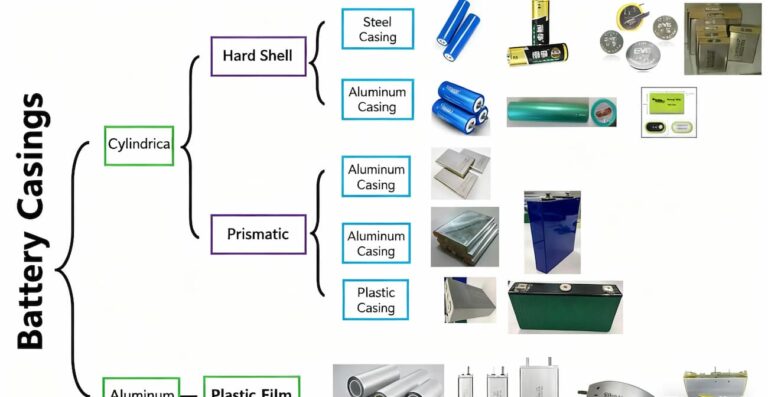
The two numbers buyers compare first — coverage area per charge and runtime — are both battery numbers. A typical robot draws 60-75 W continuously: roughly 45 W for the vacuum turbine holding it on the glass and the rest for drive wheels and the pump. A 14.4 V, 2.6 Ah pack (about 37 Wh) yields 28-32 minutes, enough for roughly 40 m² of glass. Doubling capacity with 18650 cells is easy on paper, but the added 180 g raises the suction power needed to stay attached, eating most of the gained runtime. This is why premium models moved to high-energy pouch cells at 260-280 Wh/kg instead of simply adding cylindrical cells.
The Safety Layer Buyers Should Audit
A window robot failure mode is unlike a vacuum robot’s: if the pack browns out mid-pane, the machine drops. Every pack we build for this application carries a dual-redundant low-voltage cutoff wired to the robot’s tether-alarm circuit, so the controller gets a 90-second warning before the BMS disconnects. We also insist on UN 38.3 plus IEC 62133-2 as the certification floor — several EU distributors now refuse consumer robots without the latter. Ask your supplier for the actual test reports, not just certificate numbers; mismatched cell lots are the most common audit failure we see.
Cell Format Comparison for Wall-Climbing Robots
| Format | Energy Density | Weight (37 Wh pack) | Cycle Life | Best Fit |
|---|---|---|---|---|
| 18650 cylindrical | 240 Wh/kg | ~210 g + holder | 500-800 | Budget models |
| High-energy pouch | 260-280 Wh/kg | ~150 g | 500-600 | Slim premium units |
| LiFePO4 pouch | 160-180 Wh/kg | ~230 g | 2000+ | Commercial daily-use fleets |
For robots cleaning the same office tower facade every day, the LiFePO4 option deserves a serious look despite its weight penalty: at two cleanings per day, an NMC pouch reaches end of life within a year, while LiFePO4 runs three to four years before capacity fade forces replacement.
Charging Strategy and Fleet Economics
Commercial facade-cleaning operators run robots in shifts, so we configure packs for 1.5C fast charge with a charge-complete taper at 4.15 V per cell instead of 4.20 V. Sacrificing 4 percent of capacity roughly doubles cycle life — a trade every fleet manager we have worked with accepts once they see the replacement-cost math. For household models, a standard 0.5C charger keeps BOM cost down and thermal design simple.
People Also Ask
How long does a window cleaning robot battery last per charge? Most models run 25-35 minutes, covering 35-50 m² of glass. Runtime depends more on vacuum draw than on drive motors, so dirty glass that forces higher suction shortens it.
Can I replace the battery in a window cleaning robot myself? On most consumer units the pack is behind a screwed service panel with a connectorised harness, so replacement is feasible — but use a pack with an identical BMS cutoff profile, or the tether alarm may fail to trigger.
What certification should a window robot battery have? UN 38.3 for transport plus IEC 62133-2 for the cell and pack. For the EU market, the robot itself also needs the battery documented in its CE technical file.
Why do window robots not use bigger batteries? Extra battery weight increases the suction power needed to hold the robot on the glass, which raises consumption — beyond roughly 40 Wh the added capacity cancels itself out on most designs.
Written by Karl at China Battery Technology. Request a quote.
Related reading: Lithium Battery for Electric Winch: Cranking Power Without the Voltage Drop