Lithium Battery for Emergency Lighting Systems: Code-Compliant Backup
Lithium Battery for Emergency Lighting Systems: Code-Compliant Backup
Emergency lighting is a life-safety system: when power drops, exit signs and egress luminaires must illuminate within seconds and stay lit for the code-mandated duration. Facilities are moving away from nickel-cadmium and sealed lead-acid toward lithium because the packs last longer, self-discharge slowly, and survive the warm ceiling voids where fixtures live. A dependable lithium battery manufacturer can supply cells matched to the driver, the autonomy rating, and the local fire code.
Why Emergency Lighting Suits Lithium
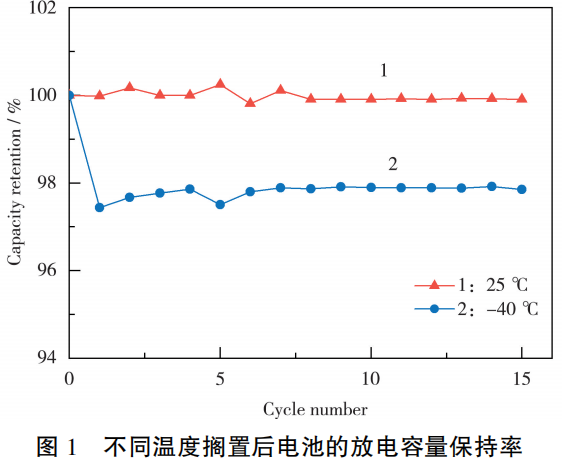
Emergency luminaires spend almost all their life on float charge and discharge only during rare tests and real outages. That standby-dominated duty punishes lead-acid, which sulfates when held at partial charge, and NiCd, which suffers memory effect from shallow monthly tests. Lithium iron phosphate (LiFePO4) tolerates years of float with minimal capacity loss and delivers the full rated runtime when it finally matters.
Meeting the Code Duration
Most jurisdictions require 90 minutes of illumination for egress paths, with monthly 30-second and annual 90-minute functional tests. A LiFePO4 pack sized to the fixture load holds capacity across hundreds of these test cycles without the annual replacement cadence lead-acid often forces. Self-discharge below 3% per month means a battery installed months before commissioning is still ready on day one.
Emergency Lighting Battery Comparison
| Attribute | LiFePO4 | Sealed Lead-Acid | NiCd |
|---|---|---|---|
| Service life | 8–12 years | 3–5 years | 4–7 years |
| Self-discharge / month | <3% | 5–10% | 10–15% |
| High-temp tolerance | Good | Poor | Medium |
| Maintenance | None | Periodic | Refresh charge |
| Memory effect | None | None | Yes |
Sizing and Installation
Size the pack to the connected LED load plus the mandated 90-minute autonomy, then add a margin for end-of-life fade so the fixture still passes its final annual test. Specify an operating range up to +60 °C for ceiling-void mounting, an integrated BMS with cell balancing, and a charger profile tuned for lithium float. A qualified manufacturer supplies the certification paperwork inspectors expect and confirms compatibility with self-testing luminaire electronics.
People Also Ask
Can lithium retrofit existing emergency fixtures? Often yes, but confirm the driver’s charge voltage and add a lithium-compatible regulator if the original was tuned for NiCd; never reuse a lead-acid charge profile on a lithium pack.
How long do lithium emergency batteries last? Typically 8–12 years, versus 3–5 for sealed lead-acid, because standby float and shallow test cycling barely age LiFePO4 cells.
Written by Karl at China Battery Technology. Request a quote.
Related reading: Lithium Battery for Electric Winch: Cranking Power Without the Voltage Drop