Lithium Battery for Shipyard Welding Equipment: Powering Mobile Welders on the Dock
Lithium Battery for Shipyard Welding Equipment: Powering Mobile Welders on the Dock
Dragging welding cable two hundred metres down a fitting-out berth, or running a diesel welder-generator inside a double-bottom tank, are the two problems every shipyard production manager knows. Battery-powered welding packs now solve both, and sourcing them starts with finding a lithium battery manufacturer who understands welding duty cycles rather than generic energy storage. The load profile of an arc welder is nothing like a solar home system, and packs designed for one fail quickly at the other.
Understanding the welding load profile
A 200 A stick or MIG welder draws 6-8 kW during the arc, drops to near zero between welds, and repeats this hundreds of times per shift. The battery therefore needs high sustained discharge capability — typically 2C or better — rather than raw capacity. A 10 kWh LiFePO4 pack rated at 2C continuous delivers the 8 kW arc load with headroom, and in real shipyard duty (arc-on time around 25-35%) supports a full 8-hour shift of structural welding. Cheaper 0.5C storage cells sag under arc load, causing spatter and unstable arcs that welders will refuse to work with.
Why yards are switching from diesel welder-generators
Three drivers keep coming up in our shipyard projects: confined-space rules that prohibit combustion engines inside tanks and blocks, the cost of craning diesel sets on and off vessels, and weld quality complaints from voltage fluctuation on long AC leads. A wheeled 10 kWh battery pack rolls through a standard access hatch route, emits nothing, and holds output voltage flat regardless of where it sits on the vessel.
Battery welding pack vs alternatives
| Criteria | Lithium battery pack | Diesel welder-generator | Long shore-power leads |
|---|---|---|---|
| Use inside tanks/blocks | Permitted | Prohibited (fumes) | Permitted but voltage sag |
| Arc stability | Excellent, flat DC bus | Good | Poor beyond 100 m |
| Noise | Silent | 75-85 dB | Silent |
| Daily logistics | Recharge at shift end | Refuel, crane moves | Cable dragging crews |
| Payback vs diesel | Typically 18-30 months | — | — |
Salt air, grinding dust and enclosure specs
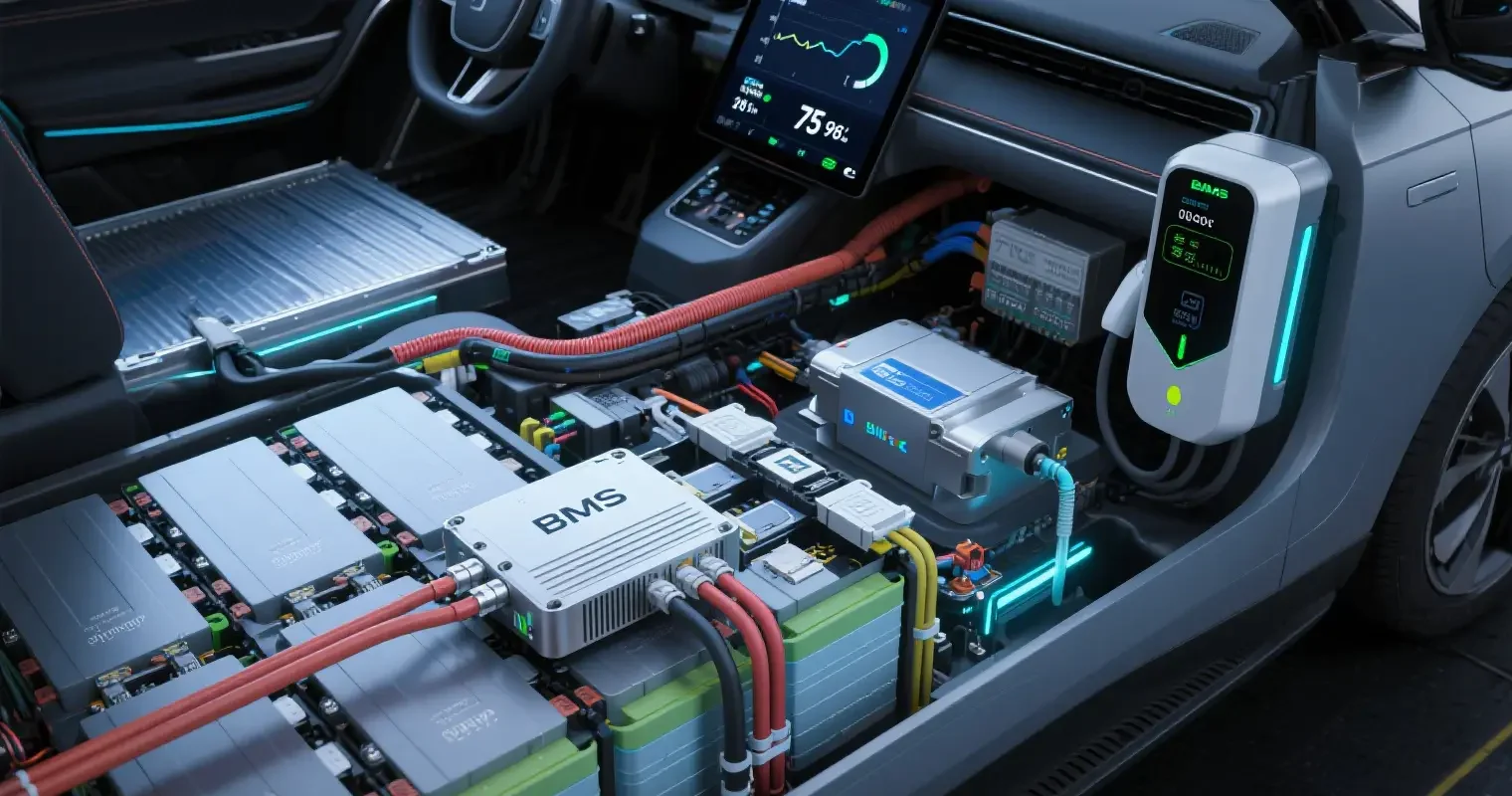
Shipyard atmosphere is brutal: chloride mist, conductive steel grinding dust and occasional deluge washdowns. Specify IP65 enclosures with powder-coated marine-grade aluminium or 316 stainless fittings, gasketed connector caps, and conformal-coated BMS boards. Standard indoor rack batteries corrode at the terminals within months on an open berth. Also insist on a drop-tested chassis — packs get moved by crane sling and forklift daily.
Charging logistics that actually work
The winning pattern is a charging corral near the berth office: packs charge overnight on 10 kW chargers, and each welding crew collects a full pack at shift start like they collect gas bottles. Fast opportunity charging at lunch adds 40-50% back in 30 minutes if the yard runs double shifts. Track packs with simple QR codes tied to the BMS serial — yards lose untracked equipment at impressive rates.
Can one battery pack run two welders at once? Only if sized for the combined arc load; a 20 kWh 2C pack handles two 200 A machines. Otherwise arc interaction causes nuisance BMS trips.
Is LiFePO4 safe around hot work? Yes — it is the required chemistry here. Its thermal runaway threshold is far higher than NMC, and packs should still be positioned outside the immediate spark cone with covers closed.
What warranty is realistic? For welding duty demand 3,000 cycles or 5 years at 2C discharge in writing. Suppliers quoting cycle life measured at 0.5C are testing a different, easier job.
Written by Karl at China Battery Technology. Request a quote.
Related guide: Lithium Battery Manufacturer
Related reading: Lithium Battery for Electric Winch: Cranking Power Without the Voltage Drop