Sodium Ion Battery for Rural Electrification: Reach More
Mini-grids bring light, cooling, and connectivity to places the central grid will not reach for years. A trusted sodium ion battery supplier can make the storage affordable enough to scale. Lower cost per household is the whole game here.
Affordable Capacity
Sodium’s cheap materials let a mini-grid carry more storage per dollar, serving more homes from the same solar array.
Because the pack is stationary, its weight is irrelevant, leaving cost and cycle life as the only metrics that matter.
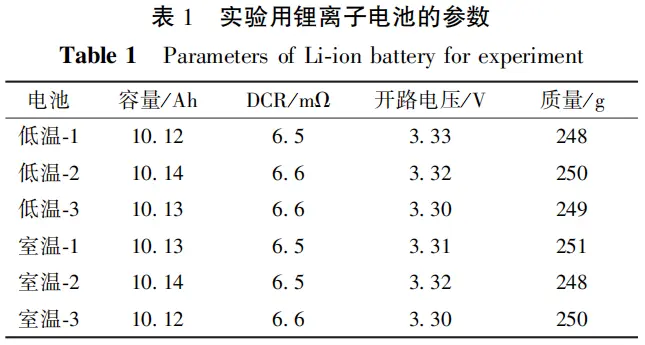
System Design
Pair the battery with PV and an inverter sized to evening peak, then add a few days of autonomy for cloudy seasons.
Keep the architecture simple so local technicians can maintain it after the installer leaves the village for good.
Sustainability
Train a local operator and stock a small spare set so the system stays alive without expensive foreign service trips.
Pay-as-you-go metering turns the mini-grid into a self-funding service that expands as the community can afford more.
Comparison at a Glance
| Layer | Role | Tip |
|---|---|---|
| PV | Generate | Oversize |
| Battery | Store | Cheap Na |
| Meter | Recover | PAYG |
People Also Ask
Why sodium for rural mini-grids? Stationary use ignores weight, so cheap storage serves more homes per dollar.
Frequently Asked Questions
Does it need special training?
Keep design simple so local technicians maintain it after handover.
How is it funded?
Pay-as-you-go metering makes the mini-grid a self-funding community service.
Key Takeaways
- Oversize PV.
- Use cheap Na storage.
- Train locals.
- Add PAYG meter.
Selection Criteria
When you evaluate a sodium ion battery for rural electrification, the lowest quote is rarely the best value, because the cheapest pack can fail earliest once it meets real load and temperature swings. A qualified sodium ion battery will help you match capacity, peak discharge rate, and certification to your actual duty cycle rather than a marketing figure on a spec sheet. Prioritise Oversize PV., Use cheap Na storage., and Train locals. during supplier review, and confirm warranty and field-support terms in writing before you commit to a purchase.
Remember that total cost of ownership also includes energy efficiency, expected cycle life, and the availability of spares and local service, all of which frequently matter more than the initial sticker price you are quoted today. Ask for references from operators running the same application, and validate the battery against a representative duty cycle before scaling the deployment across your whole fleet.
- Oversize PV.
- Use cheap Na storage.
- Train locals.
- Add PAYG meter.
As a practical next step, shortlist two or three suppliers and request a reference installation in an application close to yours. A credible sodium ion battery will share independent case studies, validated test data, and an operator contact you can call. Compare the support offered after the sale as carefully as the headline specification, because that ongoing support often decides whether the sodium ion battery for rural electrification delivers its promised value across the full service life rather than only on the first day of operation.
Finally, document your acceptance criteria before delivery: the test results, warranty terms, and service response time you expect in writing. Clear expectations prevent disputes later and give both sides a measurable standard for a successful and repeatable handover of the system.
Written by Karl at China Battery Technology. Request a quote.
Related reading: Sodium-Ion Battery for Offshore Platforms: Safer Remote Power
Related Reading
- sodium-ion battery technology guide
- Sodium Ion Battery for Golf Cart: Cheaper Rounds Guide
- Sodium Ion Battery for Microgrid: Local Resilience