Sodium Ion Battery for Electric Bicycle: A Practical Urban Choice
Sodium Ion Battery for Electric Bicycle: A Practical Urban Choice
City e-bikes need a battery that is cheap to replace, safe in shared stairwells, and happy in freezing winters. The sodium ion battery is stepping out of the lab and onto bike racks as a credible alternative to lithium for riders who value cost and cold-weather range over absolute minimum weight.
Why Consider Sodium for an E-Bike
Sodium-ion cells skip lithium, nickel, and cobalt, using abundant sodium and hard-carbon anodes. That cuts material cost and supply risk — meaningful when a stolen or worn e-bike battery means another purchase. Cycle life of 2000–4000 at moderate depth is ample for a commuter logging a few thousand kilometers a year.
Cold-Weather Advantage
Sodium keeps far more capacity at low temperature than standard lithium. Where a lithium pack might deliver 60–70% of rated range at −10 °C, sodium often stays above 90%, a real benefit for winter cyclists who do not want to lug a heater or park indoors to charge.
E-Bike Battery Comparison
| Attribute | Sodium-Ion | Li-ion (NMC) | LiFePO4 |
|---|---|---|---|
| Energy density | Medium | High | Medium |
| Cold capacity (−10 °C) | >90% | 60–70% | 75–85% |
| Material cost | Lower | Medium | Medium |
| Cycle life | 2000–4000 | 500–1000 | 2000–4000 |
| Weight | Heavier | Lightest | Medium |
Sizing a Sodium E-Bike Pack
Most city e-bikes draw 250–500 W continuous. A 36 V or 48 V pack of 10–15 Ah gives 30–60 km of assist. Because sodium is a bit heavier, budget an extra kilogram or two versus lithium — negligible on a 20 kg bike, significant only for weight-obsessed racers.
Where Sodium Makes the Most Sense
Shared fleets, delivery bikes, and campus rentals benefit most: high ride counts, outdoor winter parking, and the need to keep replacement costs low. For a lightweight weekend road e-bike where every gram counts, lithium still wins. Either way, keep the pack locked, dry, and charged with the correct sodium-compatible charger.
Charging and Storage
Sodium-ion accepts the same constant-current constant-voltage charging as lithium but tolerates colder garages without a preheat cycle, so you can top up in an unheated shed. Store at 30–60% charge for long breaks, and keep the connector clean — corrosion, not cells, is the usual cause of intermittent e-bike cutouts. A simple monthly balance check extends pack life well beyond the warranty.
Total Cost of Ownership
The headline saving is the pack itself, but the bigger win is replacement risk. Fleets that lose or damage batteries regularly spend more on replacements than on original packs, so sodium’s lower cell price compounds across a large inventory. Add longer cycle life and you often land below lithium on a per-kilometer basis even before counting winter-range retention.
People Also Ask Extra
How long does a sodium e-bike battery last? Typically 2–5 years and 2000–4000 cycles in daily city use, comparable to LiFePO4 and well beyond standard Li-ion.
People Also Ask
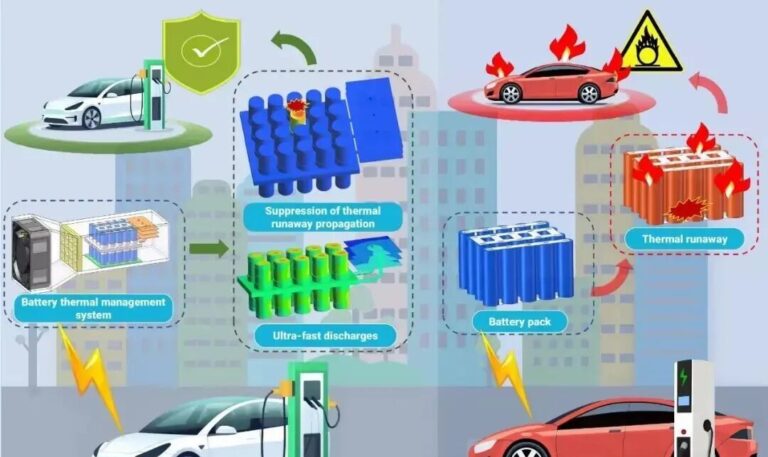
Is sodium-ion safe indoors? Yes — it has a higher thermal-runaway threshold and no dendritic lithium, making it a reassuring choice for apartments and bike rooms.
Will a sodium pack fit my existing bike? Same voltages as lithium (36/48 V) mean it often drops into the same frame mount; just confirm the charger supports sodium chemistry.
Written by Karl at China Battery Technology. Request a quote.