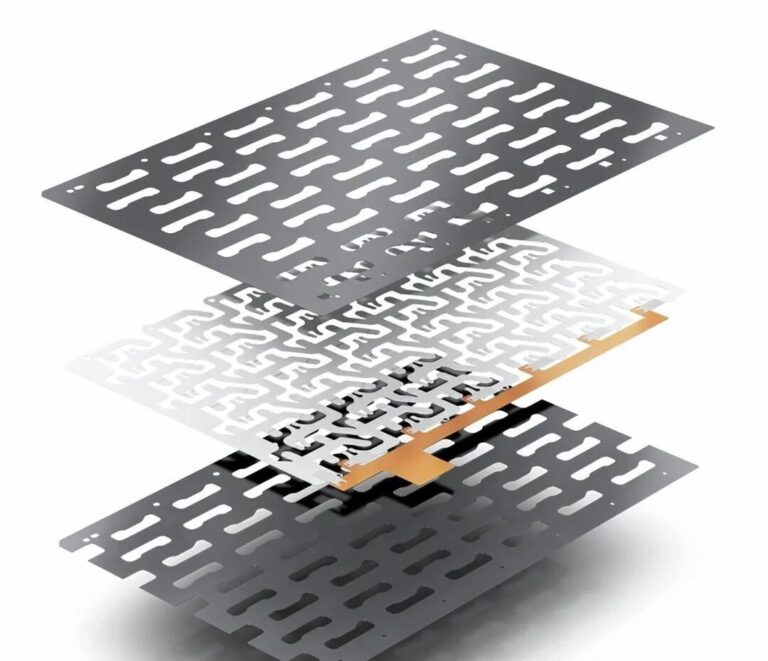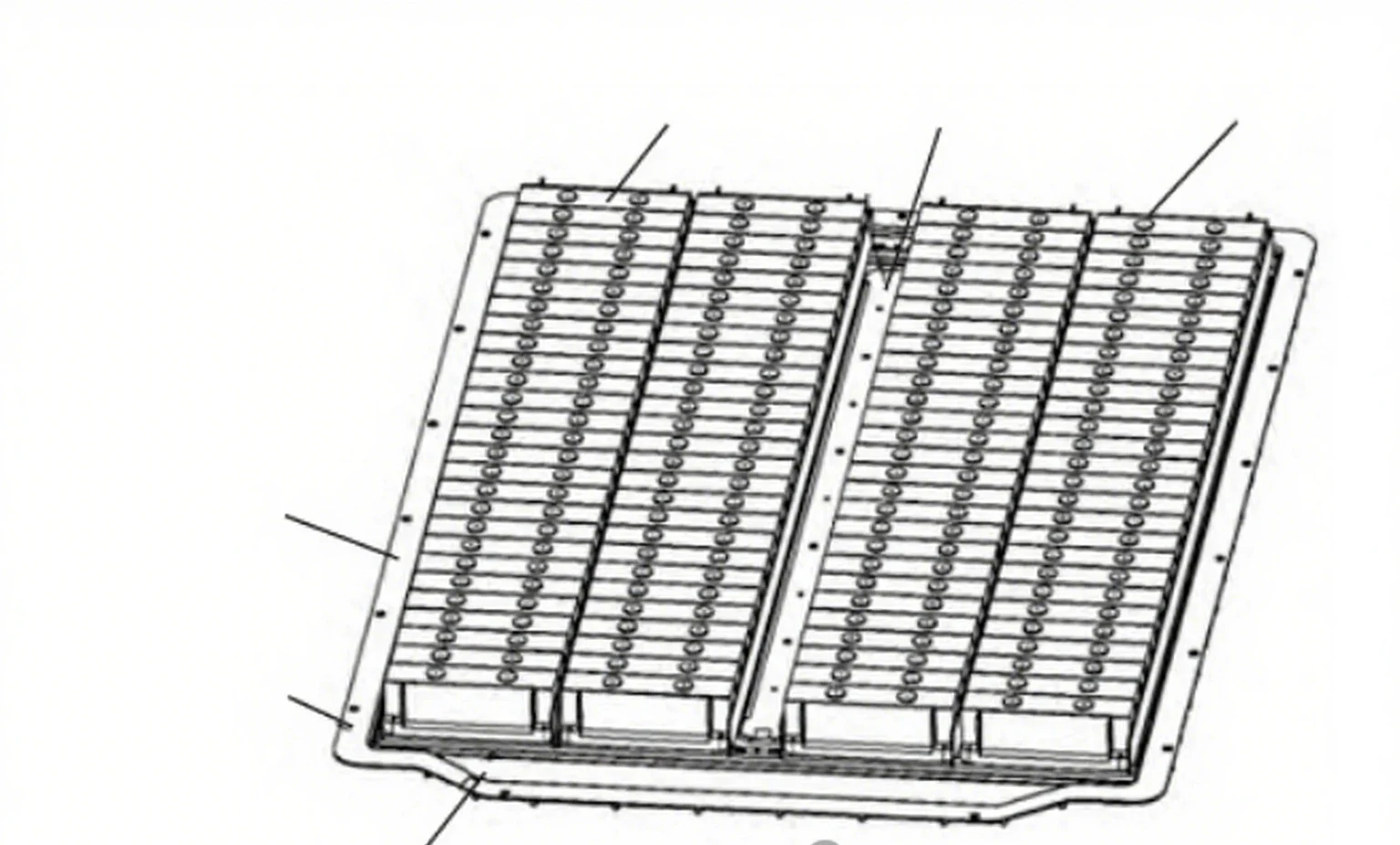
Semi-Solid Battery Pilot Line: From Lab to Volume Guide
Scaling semi-solid from coin cell to gigafactory needs a pilot line that de-risks coating, stacking, and drying. A trusted semi solid state battery supplier’s pilot proves yield. Process, not chemistry, is usually the bottleneck.
Key Process Steps
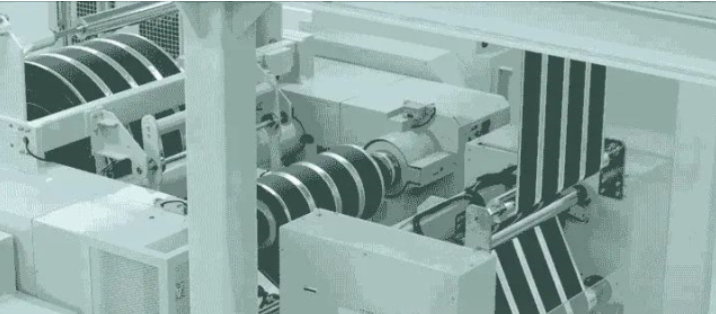
Electrode coating, calendering, stacking, and dry-room assembly all differ enough from liquid lines to need validation.
Pilot runs expose defect modes and throughput limits long before they become expensive at full factory scale.
Equipment Choices
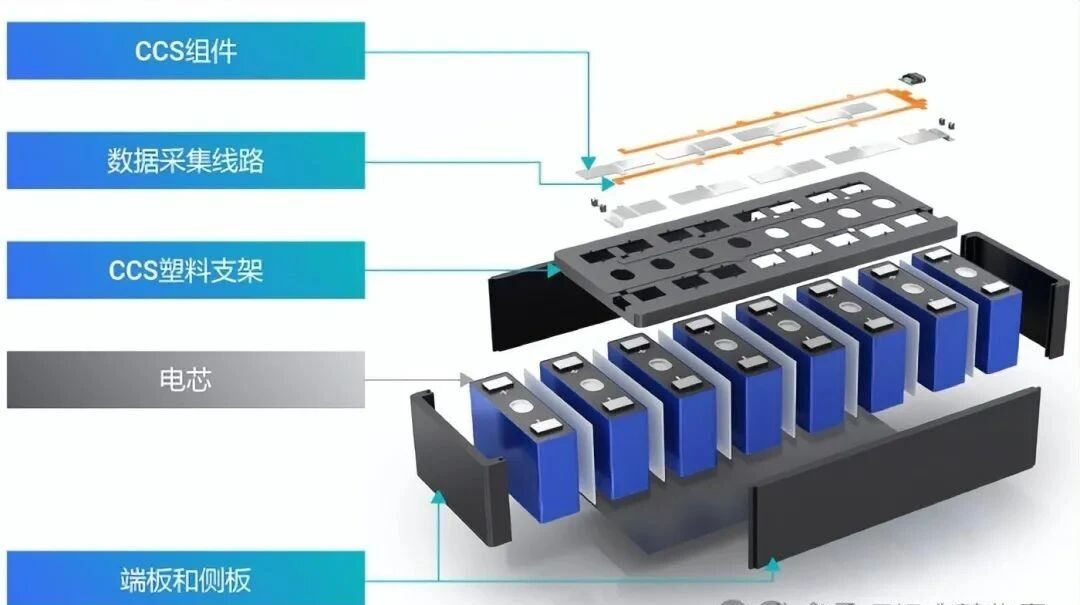
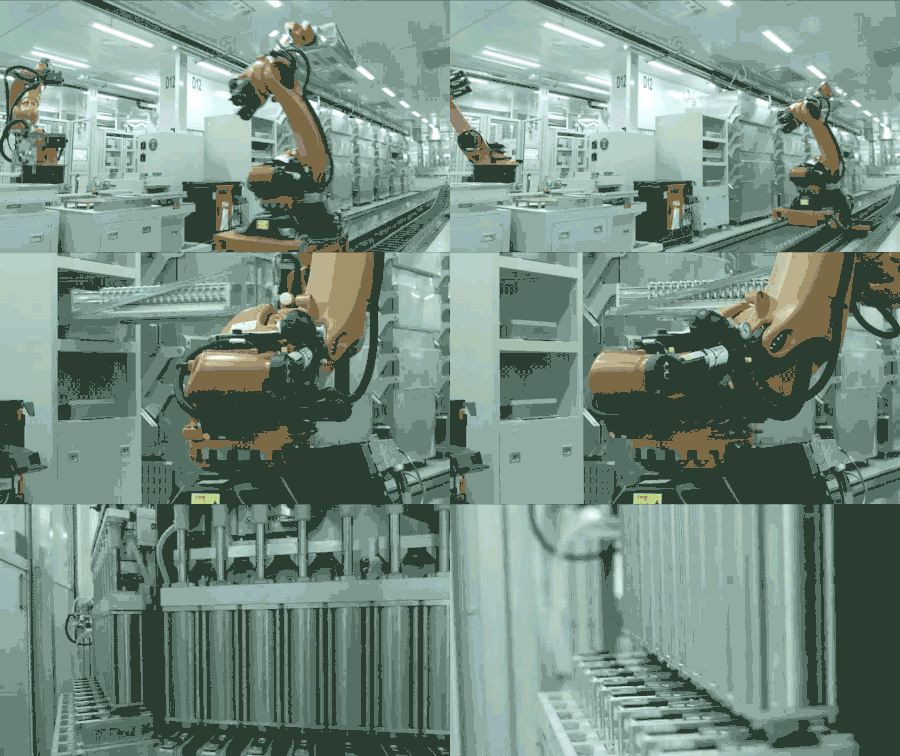
Coaters, ovens, and stacking tools must hit tolerance and uptime; buying for pilot differs from buying for volume.
Design the pilot to mirror production intent so lessons transfer, rather than optimising a line you will later discard.
Yield and Data
Instrument the pilot to capture yield by step, turning vague losses into actionable process improvements week by week.
A disciplined pilot line is the fastest route to bankable cost and the qualification data OEMs require.
Comparison at a Glance
| Step | Risk | Fix |
|---|---|---|
| Coat | Defect | Tolerance |
| Dry | Moisture | Room |
| Stack | Align | Vision |
People Also Ask
What is a semi-solid pilot line for? It de-risks coating, drying, and stacking at small scale so giga-scale investment is based on proven yield.
Frequently Asked Questions
Is it just lithium-ion gear?
Largely, with modifications for coating, drying, and dry-room control specific to the chemistry.
Why instrument heavily?
Step-level yield data is what turns process losses into targeted, fast improvements.
Key Takeaways
- Mirror production intent.
- Control dry room.
- Capture step yield.
- De-risk before giga.
Selection Criteria
When you evaluate a semi solid state battery pilot line, the lowest quote is rarely the best value, because the cheapest pack can fail earliest once it meets real load and temperature swings. A qualified semi solid state battery will help you match capacity, peak discharge rate, and certification to your actual duty cycle rather than a marketing figure on a spec sheet. Prioritise Mirror production intent., Control dry room., and Capture step yield. during supplier review, and confirm warranty and field-support terms in writing before you commit to a purchase.
Remember that total cost of ownership also includes energy efficiency, expected cycle life, and the availability of spares and local service, all of which frequently matter more than the initial sticker price you are quoted today. Ask for references from operators running the same application, and validate the battery against a representative duty cycle before scaling the deployment across your whole fleet.
- Mirror production intent.
- Control dry room.
- Capture step yield.
- De-risk before giga.
As a practical next step, shortlist two or three suppliers and request a reference installation in an application close to yours. A credible semi solid state battery will share independent case studies, validated test data, and an operator contact you can call. Compare the support offered after the sale as carefully as the headline specification, because that ongoing support often decides whether the semi solid state battery pilot line delivers its promised value across the full service life rather than only on the first day of operation.
Finally, document your acceptance criteria before delivery: the test results, warranty terms, and service response time you expect in writing. Clear expectations prevent disputes later and give both sides a measurable standard for a successful and repeatable handover of the system.
Written by Karl at China Battery Technology. Request a quote.
Related reading: Semi-Solid State Battery for VR Headsets: Lighter, Safer Immersion
Related Reading
- semi-solid-state battery guide
- Semi-Solid Battery: Wet vs Dry Electrode Guide and Tips
- Semi-Solid Battery for Heavy Truck: Payload Matters