Sodium-Ion Battery Recycling: Process and Challenges
Sodium Ion Battery Recycling: Process and Challenges
As sodium-ion volumes rise, end-of-life handling becomes a real question. The good news: a sodium ion battery contains no cobalt, nickel, or lithium of value, which simplifies—and complicates—recycling economics in equal measure for processors building the first dedicated plants.
The Recycling Flow
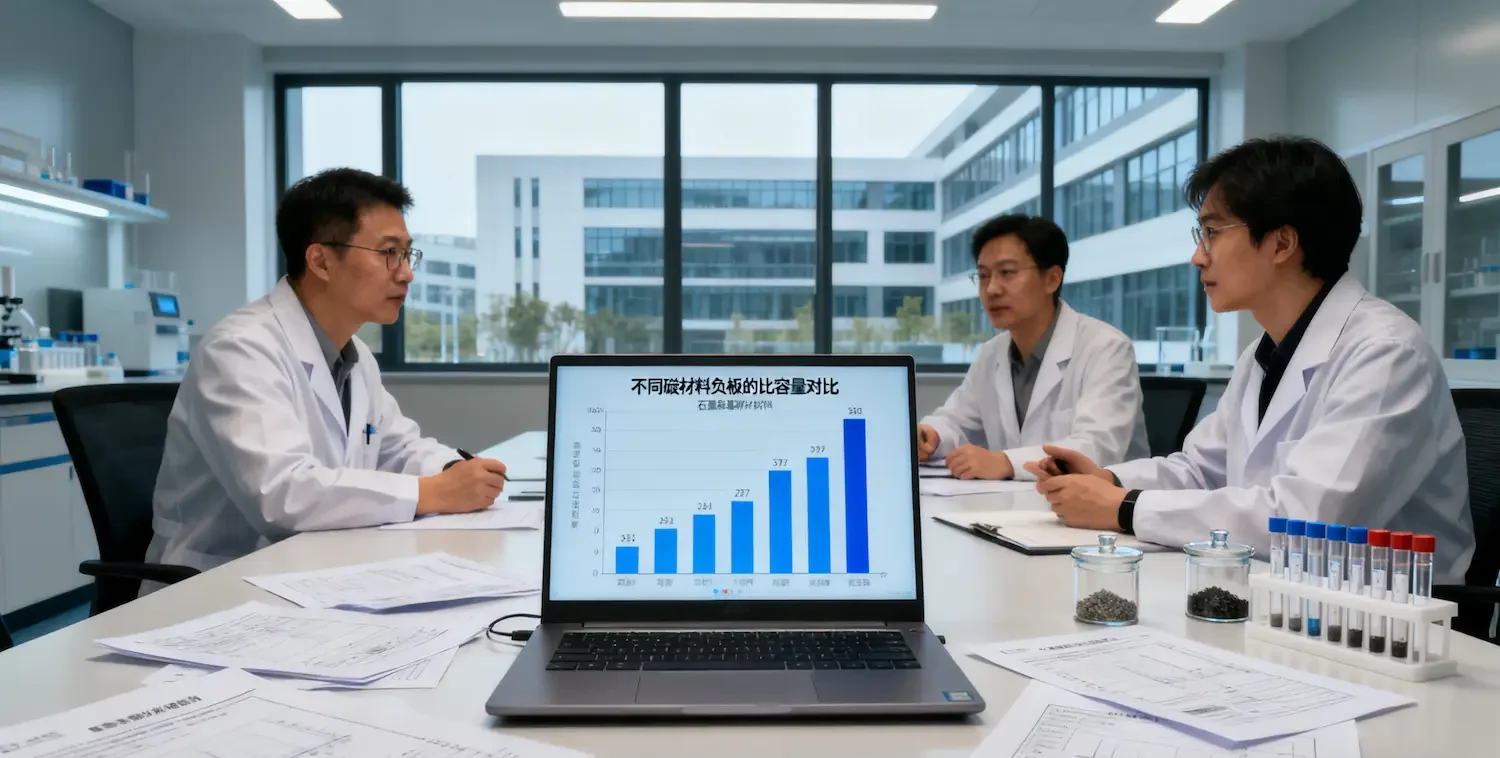
Spent packs are discharged, shredded, and the “black mass” separated. Hydrometallurgical leaching recovers sodium, hard-carbon precursors, and cathode transition metals (often iron, manganese, or copper-based). Because sodium is cheap and abundant, the economic driver is recovering the structured carbon and metals, not the sodium itself from the stream.
Process Comparison
| Method | Pros | Cons |
|---|---|---|
| Pyrometallurgy | Simple, tolerant | Energy heavy, loses carbon |
| Hydrometallurgy | Selective recovery | Wastewater treatment |
| Direct recycling | Keeps structure | Hard to sort mixed streams |
Why Economics Differ From Lithium
Lithium recycling is pulled by cobalt and nickel prices. A sodium ion battery has none of those, so the business case rests on carbon and base-metal recovery plus regulatory mandates. That pushes the industry toward high-volume, low-cost lines rather than premium metal refining that needs scarce feedstock.
Procurement and ESG
Buyers with sustainability commitments should ask suppliers about take-back partnerships. Choosing a sodium ion battery with a documented recycling pathway strengthens ESG reporting even when the recovered materials are low-value, because the chain avoids toxic heavy metals entirely and simplifies compliance.
Design for Recycling
Specifiers can improve economics by designing packs for easy disassembly: standard connectors, clear material marking, and modules that separate without cutting. A sodium ion battery with a documented take-back path also future-proofs compliance as regions extend battery stewardship laws. Designing for recovery today lowers cost and liability when volumes scale into the millions.
Key Takeaways for Buyers
Specifiers can improve recovery economics by designing packs for easy disassembly: standard connectors, clear material marking, and modules that separate without cutting. A documented take-back path also future-proofs compliance as regions extend battery stewardship laws. Designing for recovery today lowers cost and liability when volumes scale into the millions and strengthens your sustainability position with Early engagement with a recycler during the design phase is cheaper than retrofitting disassembly later, and it gives you a defensible answer when customers or regulators ask how the pack is recovered at end of life.
People Also Ask: Is Sodium-Ion Easier to Recycle Than Lithium?
Chemically, yes—no critical, toxic cobalt to manage. Economically, it is harder because the recovered materials are low-value, so recycling must be cheap and high-volume to break even. That is the central challenge the industry is solving in 2026 with scale.
Frequently Asked Questions
Can sodium batteries go in regular e-waste?
No. Even without heavy metals, they hold charge and reactive chemistry. Route them through certified battery take-back to avoid fire and recover materials properly at end of life.
What is the most valuable recovered part?
The hard-carbon anode precursor and any transition-metal cathode materials. Sodium itself is typically returned to bulk chemical streams rather than refined for reuse in new cells.
Written by Karl at China Battery Technology. Request a quote.
Related reading: Sodium-Ion Battery for Offshore Platforms: Safer Remote Power