Best Lithium Battery for Off-Grid Cabin Power Systems
Lithium Battery for Off Grid Cabin Power Systems
An off-grid cabin lives or dies by its battery bank. Lead-acid once ruled remote sites, but lithium—especially LiFePO4—now dominates because it survives deep daily cycling and needs no maintenance. A reputable lithium battery manufacturer can configure a bank sized to your cabin’s loads and winter sun hours, often as a drop-in home energy storage system rack that you can install without an electrical engineering degree.
Why Lithium for Cabins
Cabin banks cycle hard: lights, fridge, water pump, and occasional power tools draw deep discharges. Lithium tolerates 80–90% depth of discharge daily for thousands of cycles, whereas lead-acid dies after a few hundred shallow ones. Lower weight also matters when the battery must be carried or floated to a remote site by boat or ATV across rough terrain.
Voltage Choice for Cabins
| System | Best for | Wire cost |
|---|---|---|
| 12V | Tiny cabins, <1 kWh/day | High (thick cable) |
| 24V | Weekend cabins, 1–3 kWh/day | Medium |
| 48V | Full-time living, >3 kWh/day | Low |
Sizing the Bank Correctly
Count daily watt-hours, add 1.5–2× for cloudy days, then size the lithium bank so you only use 60–70% of usable capacity in the worst case. A home energy storage system designed for cabins often ships as a pre-wired 48V rack that drops into place, avoiding the DIY busbar mistakes that cause fires and void warranties.
Procurement Tips
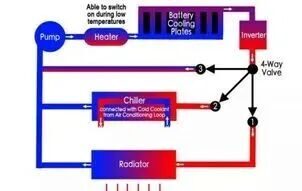
Ask the lithium battery manufacturer for low-temperature charge cutoff if the cabin freezes, and for a self-consumption mode that prioritizes solar over grid when available. Confirm the inverter communicates with the BMS so the system shuts down gracefully instead of crashing under load and corrupting sensitive electronics.
Balancing Cost and Resilience
Do not size the bank only for average days; size it for the worst realistic week. A cabin that goes dark during a three-day storm erodes the entire value proposition of going lithium. Add a small generator hybrid or extra solar if the lithium bank alone cannot cover shoulder-season sun, and keep a manual disconnect so maintenance is safe and simple for an occasional user.
People Also Ask: How Long Will a Cabin Lithium Bank Last?
A well-sized LiFePO4 bank at a cabin typically delivers 10+ years because seasonal use keeps cycle counts low. Store it at 50% SoC and disconnect loads if the cabin sits empty for months to avoid parasitic drain and deep discharge that permanently harms cells.
Frequently Asked Questions
Do I need heating for a cold cabin?
If winter lows hit freezing, specify low-temperature charge cutoff or a heated pack so the BMS blocks charging until safe, preventing dendrite damage during shoulder-season use.
Can I mix old and new lithium modules?
Avoid it. Mismatched internal resistance unbalances the bank. Replace as a set or use a BMS that isolates strings to protect the stronger modules from over-discharge.
Written by Karl at China Battery Technology. Request a quote.