Lithium Battery for Sweeper: Municipal and Industrial
Lithium Battery for Sweeper: Municipal and Industrial
Sweepers keep streets, factories and depots clean, and they are quietly becoming a lithium showcase. A municipal sweeper runs for hours through a shift; an industrial sweeper runs continuously in a plant or warehouse. Both hate lead-acid’s maintenance and love lithium’s fast charge and partial-state tolerance. This guide covers municipal and industrial sweeper battery specs, duty cycles, sizing, charging and cost, written for fleet and facilities buyers. A lithium battery manufacturer with motive experience will size these without drama.

Municipal vs industrial sweepers are different jobs
A municipal sweeper covers kilometres of road at moderate speed with a big suction fan and side brushes, drawing steady power for hours and parking at a depot overnight. An industrial sweeper works in shifts inside a plant, often opportunity-charged, with shorter ranges but higher duty frequency. The municipal unit wants a large pack sized for a route; the industrial unit wants a smaller pack charged between shifts. A battery application solutions design reflects that split rather than forcing one spec on both.
Duty cycle: suction, brush and drive loads
The loads are three: the drive motor, variable, the biggest draw at speed, the suction fan, steady, several hundred watts to over a kilowatt on large units, and the brushes, short bursts. A compact ride-on might draw 1 to 3 kW average; a full municipal sweeper 5 to 15 kW including the hopper and filters. Daily energy lands at 10 to 40 kWh for municipal and 5 to 15 kWh for industrial, which is why pack size, and therefore lead-acid weight, matters. Lithium’s lighter pack frees payload for debris and water instead of battery.
Sizing packs for ride-on and walk-behind sweepers
| Sweeper class | Pack (V / kWh) | Daily energy | Runtime target | Charge |
|---|---|---|---|---|
| Walk-behind | 24 V / 0.8 to 1.5 | 1 to 2 kWh | 3 to 4 h | Opportunity |
| Ride-on compact | 36 to 48 V / 3 to 6 | 4 to 8 kWh | 4 to 6 h | Opportunity |
| Industrial stand-on | 48 V / 6 to 10 | 8 to 12 kWh | 2 shifts | Dock plus opp. |
| Municipal truck | 48 to 80 V / 20 to 40 | 20 to 40 kWh | Full route | Overnight |
The table shows the span from a walk-behind to a municipal truck. Size each to its route with 20 percent margin, and remember a municipal sweeper that runs a fixed route is the easiest to right-size because the energy per route is known from telematics.
Why lithium beats lead-acid in sweepers
Lead-acid sweepers need a battery room, watering, and a long charge that strands the unit overnight with little buffer. Lithium charges in a fraction of the time, needs no watering, and tolerates the partial states of opportunity charging. For a municipality running daytime shifts, that means a sweeper can top up at the depot between runs instead of sitting on a charger all night. The lighter pack also raises payload, more debris, less battery, which matters on a truck that bills by area cleaned.
Opportunity charging for municipal fleets
Municipal depots can place chargers at the yard and let crews plug in during breaks and between routes. Because the daily energy is known, a modest pack plus opportunity charging covers the day, shrinking the pack and the truck weight. A home energy storage system shares the same LFP cells, so depot buffer banks can use identical technology. Just confirm the BMS balances at partial state and the chargers are on circuits sized for the simultaneous load, or the depot’s panel becomes the bottleneck.
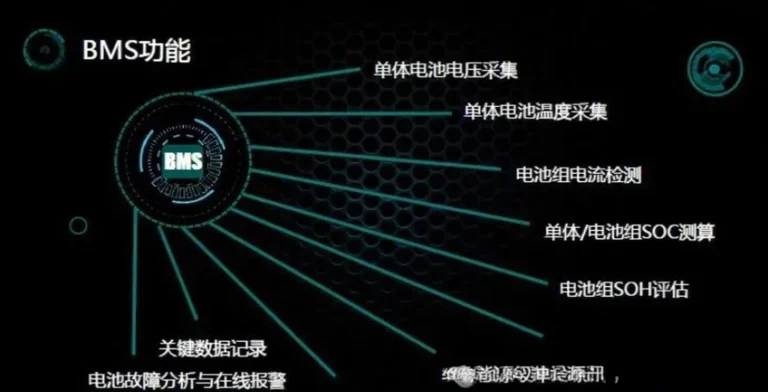
Battery management and telemetry
Fleet telemetry turns sweeper batteries from a cost center into a managed asset. Knowing state-of-charge and cycle count across the fleet lets you rotate packs out at 80 percent capacity, predict which unit will need service, and prove compliant use for warranty. For a municipality with dozens of units, that visibility prevents the sweeper dead mid-route call that makes the evening news. The BMS should report over a simple bus to whatever fleet software the depot already runs.
Chemistry: LFP mainstay, sodium for buffers
LFP is the sweeper default: safe, long-lived, cheap at scale, and fine with the moderate C-rates sweeping demands. A sodium-ion battery is worth evaluating for the fixed depot charging buffer, where weight is irrelevant and material cost matters, but it is not yet the moving-pack choice. A semi-solid-state battery adds density you do not need on a floor- or road-bound sweeper, so the premium is wasted. The rational spec is LFP for the vehicle and, optionally, sodium for the depot bank.
Cold-weather sweeping
Northern municipalities sweep through winter, and lithium needs low-temperature charge limits below zero Celsius to avoid plating. Specify a BMS with cold-charge approval and keep packs near ambient before charging if they sit outside. Capacity dips in the cold, so add margin to the winter route size, a pack that covers summer may fall short in February. Sodium’s better cold tolerance is actually a point in its favour for depot buffers in cold climates, though the moving pack stays LFP for now.
Noise and emissions in urban use
Lithium sweepers are far quieter than diesel and off-gas nothing while charging, which lets cities run early-morning or nighttime cleaning without noise or fume complaints. That operational freedom, cleaning at 5 a.m. without waking residents, is a real urban advantage, not a marketing line. Pair a lithium sweeper with low-noise brushes and the whole operation drops below the threshold that draws complaints, opening more cleaning windows.
Procurement checklist
- Route or shift energy from telematics, not a guess.
- Pack sized with 20 percent margin for grade, debris load and winter.
- Opportunity-charge capable BMS with partial-state balance.
- Telemetry on a bus your fleet software reads.
- Warranty in cycles at stated DoD.
Total cost of ownership
A lead-acid municipal pack might be cheaper upfront but needs watering labour, equalization power loss, and more frequent replacement; an LFP pack costs more per kWh yet lasts 2 to 3 times the cycles with near-zero maintenance. Over a 30-unit fleet running daily, the labour and replacement saving alone often exceeds the pack premium within two years. Rank suppliers by dollars per delivered cycle at your DoD, and the lithium bid that looked expensive on sticker becomes the obvious choice.
Safety and maintenance
Lithium sweepers remove acid and hydrogen from the depot, but you still need secure pack mounting against road vibration, accessible BMS fault readout, and trained staff who report a hot or swollen pack. Keep chargers on dedicated, protected circuits, and retain UN38.3 test summaries for the exact models for transport and audit. The safety story is strong, but only if the basics, mounting, circuits, training, are done, not assumed.
Filter load and hopper fill effect on range
A clogged filter or a full hopper changes the energy math fast. A packed hopper adds mass the drive motor must move, and a loaded filter forces the suction fan to work harder for the same airflow, raising watts per minute. Operators who ignore filter cleaning watch range drop 15 to 25 percent on a long route. Spec a pack with margin for a half-full hopper and a dirty filter, not the clean-machine best case, and train crews to empty and clean on a schedule tied to the telemetry. The pack is only as good as the maintenance around it; a great battery behind a clogged filter still strands the route.
Depot power and charger sizing
Municipal depots often underestimate the panel. If you install ten 10 kW chargers on a circuit rated for 40 kW, the panel trips the moment everyone plugs in after shift. Size the depot service for the simultaneous charge load, not the nameplate of one charger, and stagger start times in the charger firmware if the panel is tight. A lithium sweeper program that ignores depot power discovers the bottleneck is the building, not the battery, which is a frustrating and avoidable surprise. Confirm the utility feed and any demand charges before committing the fleet size.
Battery second-life after sweeper service
A sweeper pack retired at 80 percent capacity has years left as a stationary buffer at the depot or a solar bank, because sweepers are not deep-cycled as hard as the rating implies. Documenting each pack’s cycle and temperature history at retirement turns that residual value into a sellable asset instead of scrap. Pair it with a simple state-of-health report and the pack finds a second buyer easily. This also softens the environmental story auditors ask about, and it recovers a meaningful slice of the original cost, which strengthens the already-strong lithium TCO case for the sweeper fleet.
Frequently asked questions
How big a pack does a municipal sweeper need? Typically 20 to 40 kWh for a full route; size from telematics with 20 percent margin.
Can sweepers opportunity-charge? Yes with an LFP pack and a BMS that balances at partial state.
Is sodium good for sweepers? Only for the fixed depot buffer; LFP stays on the moving unit.
What about winter charging? Use a BMS with low-temperature charge limits and add cold-capacity margin.
Written by Karl at China Battery Technology. Share your route energy and fleet size and we will size the sweepers, request a quote for a depot-ready battery plan.
Related Reading
- custom lithium battery manufacturer
- Lithium Battery for Tugger: Line-Side Transport
- Lithium Battery for Aerial Work Platform: Height-Safe Power