Lithium Battery for Electric Unicycle: Balancing Power That Lasts
Lithium Battery for Electric Unicycle: Balancing Power That Lasts
A self-balancing unicycle lives or dies by its pack. Riders expect 30–60 km of range, instant torque for hills, and a pack light enough to carry upstairs — none of which a lead-acid block can deliver. A lithium battery for electric unicycle from a trusted lithium battery manufacturer is the only chemistry that meets all three at once, which is why every production EUC ships with lithium cells.
Why Unicycles Demand Lithium
An EUC draws violently variable current: near zero while coasting, then 50–100 A in seconds when the rider accelerates or climbs. Lithium accepts that burst without voltage sag, so the wheel keeps its gyroscopic correction and the rider stays upright. Lead-acid would sag, the controller would brown out, and the balance loop would fail mid-ride.
Chemistry and Form Factor
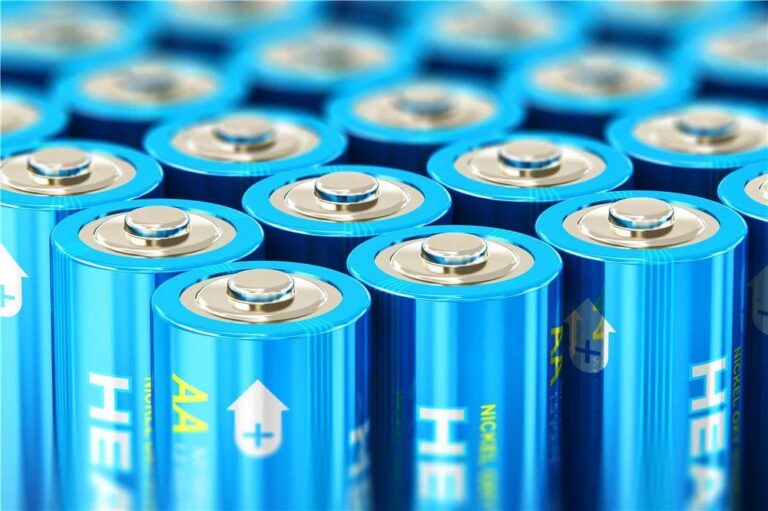
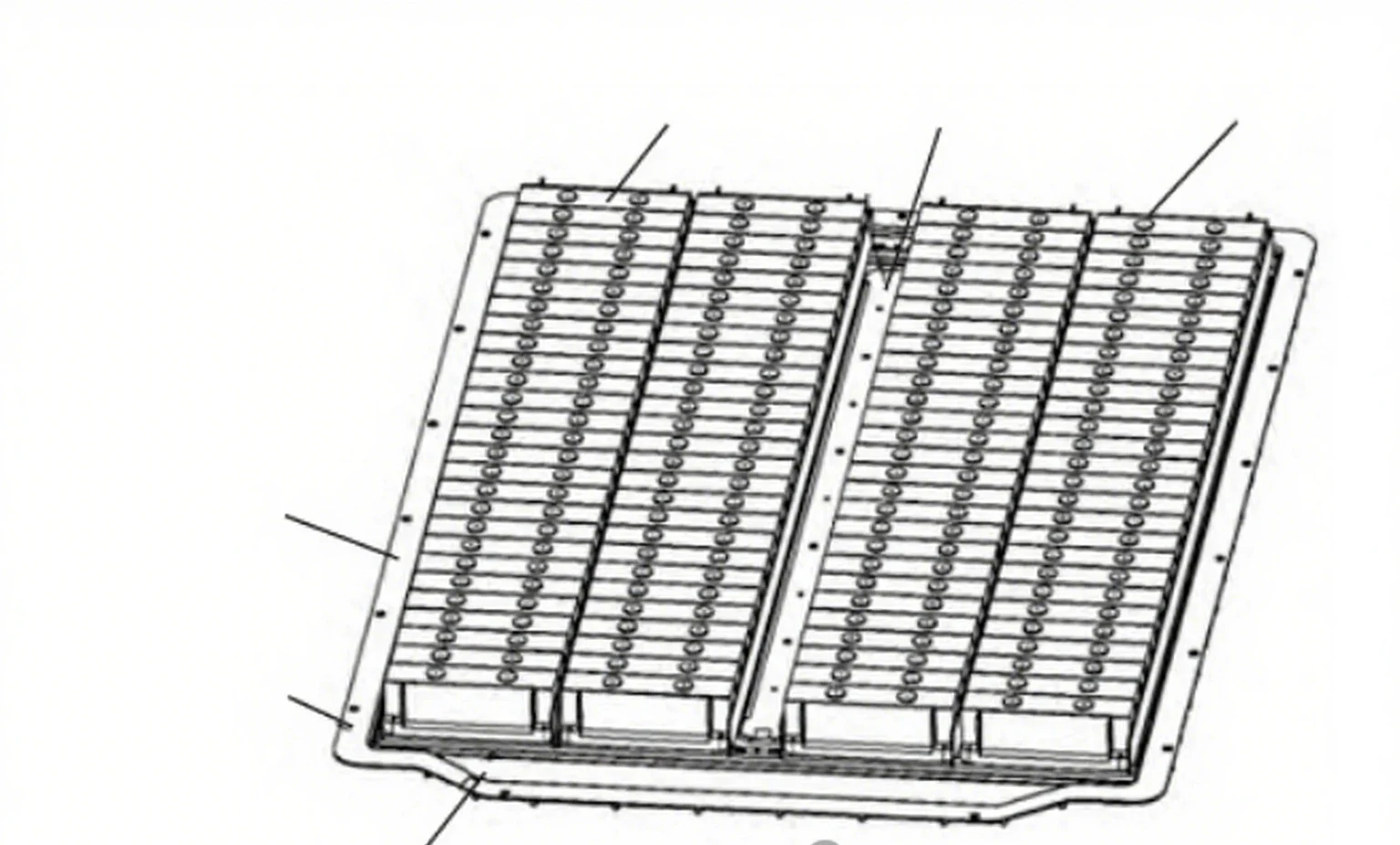
Most EUCs use high-energy 18650 or 21700 cylindrical cells in a tightly packed module, often with nickel strips spot-welded to keep resistance low. LiFePO4 is gaining for its safety margin, but many performance wheels still use NMC for the extra watt-hours per kilogram that extend range. The module must be mechanically locked, because a loose cell under constant vibration will eventually develop a hot spot.
Unicycle Battery Comparison
| Attribute | NMC pack | LiFePO4 pack | Lead-Acid |
|---|---|---|---|
| Energy per kg | High | Medium | Very low |
| Peak discharge | Very high | High | Low |
| Cycle life | 500–1000 | 2000–4000 | 300–500 |
| Carry weight | Light | Medium | Heavy |
| Thermal risk | Medium | Low | Low |
Safety and the BMS
The battery management system is not optional on a personal vehicle. It must balance cells during charge, cut discharge on over-current or over-temperature, and report state-of-charge to the wheel’s display. Riders should never bypass the BMS or charge a punctured pack; a crushed cell is a fire risk that belongs at a recycling depot, not in a hallway.
Care That Extends Life
Store the wheel at ~50–70% charge if unused for weeks, avoid full discharges below 10%, and keep it out of direct midday sun. Most pack failures trace back to chronic deep-cycling or a single hard crash, not normal wear — so a rider who charges before empty and inspects the shell after a fall gets years of service.
Range Planning for Commuters
Real-world range depends less on the rated watt-hours than on riding style. A 1000 Wh pack may deliver 50 km at a relaxed 20 km/h on flat ground, but only 25 km if the rider pins the throttle up hills against headwind. Commuters should budget for the worst week — cold morning, heavy backpack, long climb — and choose a pack sized for that, not the brochure figure. Carrying a second charged pack in a backpack is a common hedge for riders who push past the safe return margin. Riders who log their trips quickly learn their true per-km draw and stop anxiety-charging at every opportunity.
People Also Ask
How long does an EUC battery last? With moderate riding, 500–1000 full cycles for NMC and 2000+ for LiFePO4 before range drops noticeably.
Can I upgrade to a bigger pack? Often yes, if the shell has clearance and the controller supports the higher capacity; confirm with the manufacturer before ordering cells.
Are replacement cells safe to source online? Only from reputable suppliers with a matched specification; mixing brands or cell ages invites imbalance and heat, so buy a complete module rather than loose cells.
Written by Karl at China Battery Technology. Request a quote.
Related reading: Lithium Battery for Electric Winch: Cranking Power Without the Voltage Drop