Lithium Battery for Electric Two-Wheelers: Range, Safety, and Cost
Lithium Battery for Electric Two-Wheelers: Range, Safety, and Cost
Electric two-wheelers — e-bikes, scooters, and lightweight mopeds — are now the highest-volume EV category in many cities, and the pack is the single biggest driver of how the machine rides. Range, weight over the front wheel, recharge time, and fire safety all trace back to the battery. A trusted lithium battery manufacturer can tune cell chemistry, form factor, and the battery management system so the pack survives daily vibration, weather, and the deep-but-frequent discharge cycles that define urban riding, whether for a commuter, a delivery rider doing 100 km a day, or a shared-fleet operator.
Why Two-Wheelers Suit Lithium
Two-wheelers live on weight sensitivity. Every kilogram near the axle changes handling, so the high energy density of lithium versus lead-acid is not a spec-sheet nicety — it is what lets a commuter lift the bike onto a stand or carry the pack indoors to charge. Lithium also accepts regenerative braking current and delivers steady voltage across the whole discharge, so the motor keeps full power until the pack is nearly empty rather than sagging as lead-acid does. That flat power curve is why an e-bike with lithium still climbs the last hill of a long ride at full speed.
Chemistry and Cell Form
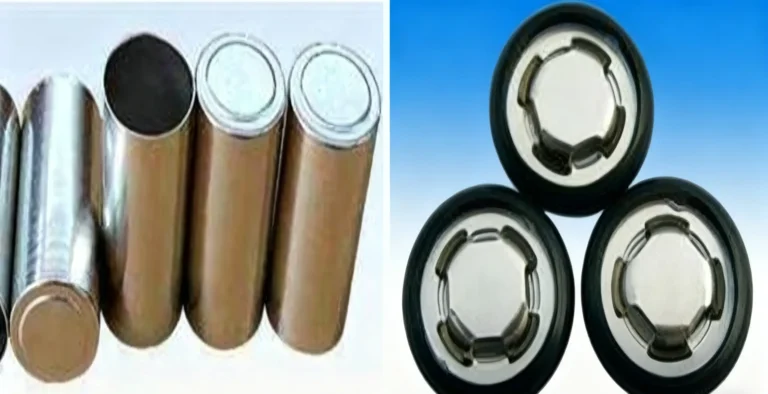
For consumer e-bikes, 18650 and 21700 cylindrical cells dominate because they are proven, repairable, and cheap to source; premium scooters move to pouch or prismatic LiFePO4 for safety and cycle life. Lithium iron phosphate is gaining share in shared-fleet and delivery bikes where abuse and fast charging are constant, because its thermal margin is far wider than nickel-manganese-cobalt. NMC still wins where every gram matters — performance and folding bikes — but the gap in safety has pushed many brands toward LFP for anything ridden near people or charged indoors.
Two-Wheeler Battery Comparison
| Attribute | LiFePO4 | NMC | Lead-Acid |
|---|---|---|---|
| Energy density | Medium | High | Low |
| Cycle life | 2000–4000 | 800–1500 | 300–500 |
| Thermal safety | High | Medium | Medium |
| Weight (Wh/kg) | 90–130 | 150–220 | 30–50 |
| Best use | Fleets, delivery | Performance, light | Low-cost legacy |
Sizing for Real-World Range
Range is voltage × amp-hours × efficiency, not a marketing number. A 36 V 10 Ah pack (360 Wh) typically yields 25–35 km on flat terrain; doubling capacity roughly doubles distance but also weight and cost. Size to the rider’s worst day — hills, headwind, cold — and add 20% margin so the battery is never fully drained, which is the fastest way to kill cells. Riders who carry cargo or a passenger should budget an extra 30–40% capacity, because payload is the silent range-killer nobody prints on the box.
Charging Habits and Removable Packs
Most city bikes use a removable pack so the rider charges indoors or at a desk rather than dragging the whole bike to an outlet. That convenience raises the stakes for the BMS and charger: specify a smart charger with correct termination, balanced cells, and temperature sensing, and avoid leaving a pack on trickle charge for weeks. For fleets, a cabinet that charges, cools, and tracks each pack by serial number turns battery care into a logistics problem instead of a roadside failure.
Safety, Swapping, and Standards
Indoor charging and battery-swap cabinets make thermal runaway a real concern, so specify cells with puncture-resistant separators, a certified BMS with over-current and over-temperature cutoffs, and enclosures rated to IPX5 or better. In markets with swap networks, standardize on the cabinet’s mechanical and communication interface so packs are interchangeable. Cheap, uncertified packs are the leading cause of two-wheeler fires — the savings evaporate the first time one fails.
People Also Ask
How long does a two-wheeler lithium battery last? With partial discharges and indoor storage, 800–1500 full-equivalent cycles is typical for NMC and 2000–4000 for LiFePO4 — roughly 3–6 years of daily commuting.
Can I charge it indoors safely? Yes, if the pack has a certified BMS and you use the original charger on a non-flammable surface; avoid charging swollen or damaged packs and never block ventilation.
Written by Karl at China Battery Technology. Request a quote.
Related reading: Lithium Battery for Electric Winch: Cranking Power Without the Voltage Drop