Lithium Battery for Cleaning Robot: Longer Autonomy
lithium battery for cleaning robot
Commercial cleaning robots live or die by uptime between docks, since a dead robot is just floor clutter in a hallway. A trusted lithium battery manufacturer can spec cells that survive thousands of shallow cycles. Optimise the charge strategy first for best results.
Cycle Life for Daily Use
Robots charge and discharge many times per day, so cycle life matters far more than single-charge capacity in real commercial operation.
Lithium handles partial cycles without memory, letting robots top up during brief dock visits between cleaning zones automatically.
Hot-Swap vs Dock Charging
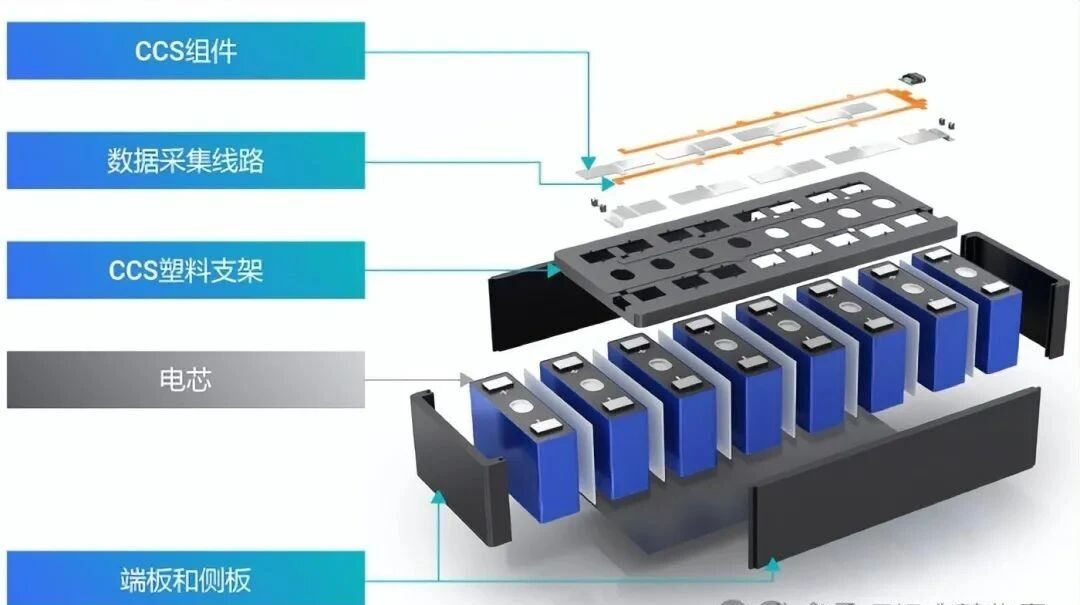
Larger units may use swappable packs to avoid downtime; smaller ones dock and charge automatically with no operator input required at all.
Standardise pack format so one charger and one spare serve the whole fleet, dramatically simplifying logistics and on-site storage.
Safety in Public Spaces
Robots operate around people, so cells need certified protection and temperature limits to prevent any thermal event in public areas.
Sealed, well-mounted packs with BMS cutoff keep public deployments compliant and worry-free for facility managers and visitors alike.
Fleet Sizing
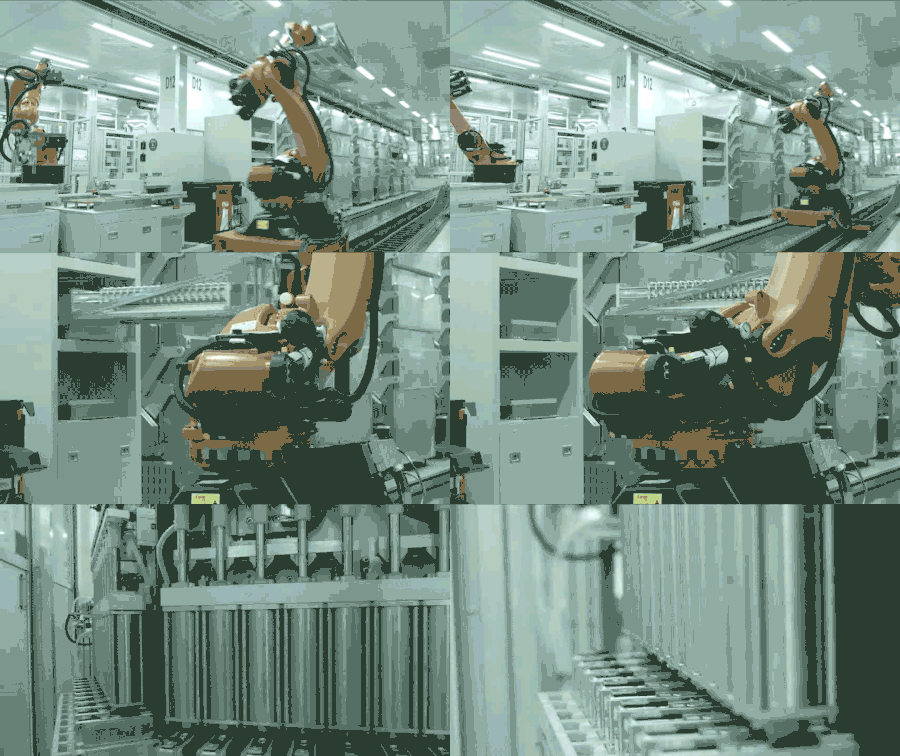
Count daily cleanings and dock time to decide how many robots and spare packs you need, not how many halls you have to cover.
A modest spare-pack pool absorbs a failure without pulling a robot offline, protecting service-level agreements with building clients.
Comparison at a Glance
| Mode | Downtime | Best for |
|---|---|---|
| Dock | Low | Small |
| Swap | Near zero | Large |
| Mixed | Flexible | Fleet |
People Also Ask
How long do cleaning robot batteries last? Quality lithium packs endure thousands of shallow daily cycles, typically several years of commercial service.
Frequently Asked Questions
Should I hot-swap or dock?
Dock suits small robots; swap suits large continuous-coverage units to avoid idle time.
Are they safe around people?
Yes with certified BMS, sealed cells, and temperature-protected charging.
Key Takeaways
- Count daily cycles.
- Standardise pack format.
- Choose dock or swap.
- Certify for public use.
Selection Criteria
When you evaluate a lithium battery for cleaning robot, the lowest quote is rarely the best value, because the cheapest pack can fail earliest once it meets real load and temperature swings. A qualified lithium battery manufacturer will help you match capacity, peak discharge rate, and certification to your actual duty cycle rather than a marketing figure on a spec sheet. Prioritise Count daily cycles., Standardise pack format., and Choose dock or swap. during supplier review, and confirm warranty and field-support terms in writing before you commit to a purchase.
Remember that total cost of ownership also includes energy efficiency, expected cycle life, and the availability of spares and local service, all of which frequently matter more than the initial sticker price you are quoted today. Ask for references from operators running the same application, and validate the battery against a representative duty cycle before scaling the deployment across your whole fleet.
- Count daily cycles.
- Standardise pack format.
- Choose dock or swap.
- Certify for public use.
As a practical next step, shortlist two or three suppliers and request a reference installation in an application close to yours. A credible lithium battery manufacturer will share independent case studies, validated test data, and an operator contact you can call. Compare the support offered after the sale as carefully as the headline specification, because that ongoing support often decides whether the lithium battery for cleaning robot delivers its promised value across the full service life rather than only on the first day of operation.
Written by Karl at China Battery Technology. Request a quote.
Related reading: Lithium Battery for Electric Winch: Cranking Power Without the Voltage Drop