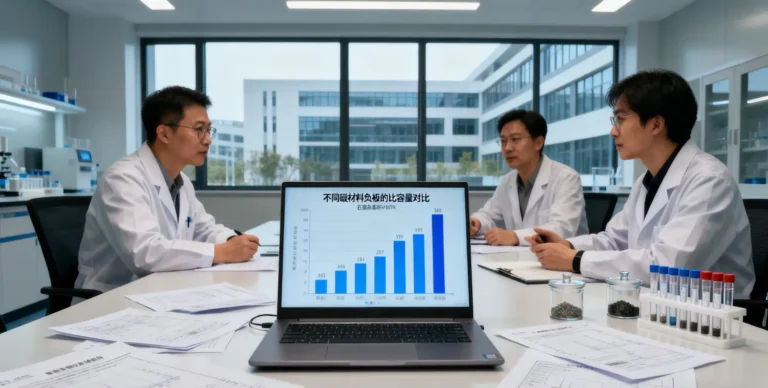
Battery Application Solutions for Pulp Mill
Battery Application Solutions for Pulp Mill
A pulp mill asks two different questions of storage, and they need two different answers. One is an energy question: refiner and digester peaks set the demand charge every month. The other is a power-quality question: a voltage dip lasting a few cycles can trip a refiner, and restarting a mill from a tripped recovery loop costs hours of production. Treating both is what a properly scoped set of battery application solutions is for.
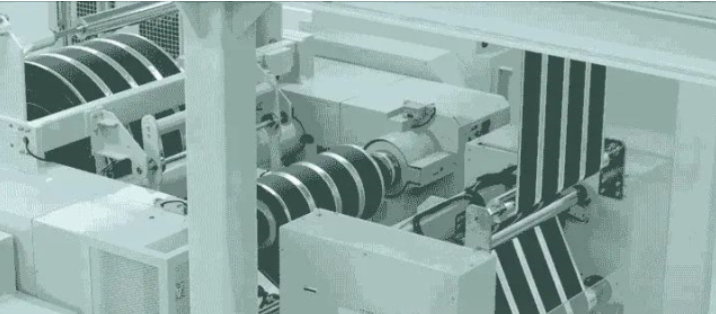
Refiner Starts Are the Peak-Shaving Target
Thermomechanical and chemithermomechanical refiners are the heaviest motor loads in most mills, and their combined starts are what the utility sees as the monthly peak. Shaving that peak is the fastest-paying storage application on site: the battery covers the surge, the substation sees a flatter profile, and the demand charge falls without any change to how the mill is run. This service asks for power more than energy, which makes it cheap per kilowatt of benefit.
Voltage Dip Ride-Through Pays for Itself
The second application usually has the better return, and it is the one most often skipped. A dip on the incoming supply — a fault elsewhere on the network, a switching event, weather — trips contactors and drives across the mill within milliseconds. Refiners, chipper drives and recovery-loop pumps drop out together, and bringing the mill back through a cold start is a matter of hours and a great deal of off-spec product. Storage with a fast grid-supporting inverter holds the bus through the event and the mill keeps running.
Choosing Between LFP, Semi-Solid and Sodium
Mills rarely need one chemistry. Lithium iron phosphate is the default for power-quality duty and for compact peak shaving near the substation. Semi-solid-state earns its place where energy has to go into a constrained indoor space, such as an existing electrical room with no expansion room. Sodium-ion is worth pricing for large, slow energy buffers — seasonal or multi-hour storage beside a recovery boiler — where cost per kilowatt-hour dominates and the mill already has a warm, ventilated building to put it in.
Working From Substation Data, Not Estimates
Sizing should start with a year of one-minute data from the incoming substation, plus any power-quality recordings already held. That record shows the real peak and how often it is approached, the frequency and depth of dips, and the shape of a normal shift. From it you can separate the energy case from the power case and size each independently. Mills that size from nameplate ratings or a single week of data usually buy the wrong machine.
Integrating With Mill Cogeneration
Most pulp mills generate part of their own power from bark, black liquor or other biomass, and storage changes how that plant is run. A bank can hold the cogeneration unit at its efficient operating point instead of following load, absorb the swing when a turbine trips, and buy time for an orderly shutdown. This is where a supplier should be asked to show previous mill work rather than general claims.
What the Environment Demands of the Equipment
A mill is a hard place for electronics. There is conductive dust, moisture, hydrogen sulphide and sulphur dioxide around the recovery area, wide ambient swings, and vibration near the refiners. Specify enclosure ingress protection and corrosion resistance for the actual siting, put the bank upwind of the recovery boiler where the choice exists, and treat ventilation and filtration as part of the project.
| Attribute | LFP lithium | Semi-solid-state | Sodium-ion | Diesel genset |
|---|---|---|---|---|
| Response to voltage dips | Excellent | Excellent | Good | Poor |
| Power density for peak shaving | High | High | Medium | — |
| Cost per kWh on large buffers | Medium | Higher | Lower | — |
| Footprint for a given energy | Medium | Small | Large | Medium |
| Tolerance of hot process halls | Needs cooling | Good | Strong | Good |
| Routine maintenance | Low | Low | Low | High |
What to Ask a Supplier
Ask for previous pulp and paper installations, not general industrial references. Ask for the ride-through specification in writing — depth of dip, duration, and what the inverter guarantees. Ask whether the peak-shaving and power-quality cases have been sized separately from substation data. Ask about enclosure rating and corrosion protection for your specific siting, and ask which cell maker is behind the warranty.
People Also Ask
Is peak shaving or power quality the better first project? Ride-through usually pays back faster, because avoiding one mill-wide trip is worth more than a year of demand-charge savings. Ideally both are scoped together from the same substation data.
Can one battery do both jobs? Often yes, if the inverter is specified for grid support as well as energy shifting. The risk is under-sizing the power rating while chasing kilowatt-hours, so state both requirements explicitly.
How does it interact with the mill’s own turbine? It lets the cogeneration plant run at a steady, efficient output instead of following load, and it absorbs the swing when a unit trips. Ask for site-specific engineering here.
Does it survive the mill environment? It should, with the right enclosure rating. Conductive dust, moisture and sulphur compounds near the recovery area are the real hazards — specify for them and site the bank upwind.
Written by Karl at China Battery Technology. Request a quote.