How to Size a Lithium Battery for Solar Energy Storage
Solar battery sizing method: daily load in Wh, convert to Ah at bank voltage, days of autonomy, 80% DoD, worked example table, C-rate/inverter limit, temperature, BMS spec, common errors.
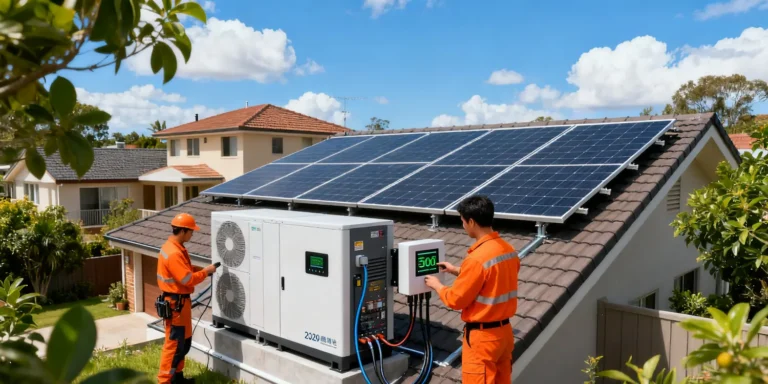
Solar battery sizing method: daily load in Wh, convert to Ah at bank voltage, days of autonomy, 80% DoD, worked example table, C-rate/inverter limit, temperature, BMS spec, common errors.
Battery passport explained: what it is, EU regulation drivers, carbon-footprint per kWh, data to collect, early-adopter use-case table, methodology, passport architecture, procurement checklist, failure modes.

RoHS restricted substances, battery vs general limits table, where substances hide, XRF vs wet-chemistry testing, documentation, global analogs, EPR take-back, supply-chain due diligence, verification steps, common failures.

CE self-declaration vs UL third-party listing, geographic scope table, standard-to-product mapping, NRTL system, CB scheme, cost/timeline, product labels, sodium marking, rework cost, procurement decision rule.
MSDS vs SDS, 16 GHS sections, lithium transport class, UN38.3 Test Summary, lithium content calculation, country filing traps, transport mode, importer checklist, revision control, penalties, supplier discipline.

Lithium fire behavior, thermal-runaway cascade, suppression comparison table, fixed suppression design, module containment, mobile response, toxic gases, NFPA 855/insurance, responder training, checklist, procurement requirements.

IP code decoded: digit meanings, solid/water tables, IEC 60529 test detail, matching code to deployment, material choice, IP vs NEMA, vent-vs-seal trade-off, condensation, gasket aging, test verification, selection worksheet.
OEM take-back duties: EU producer registration and Battery Regulation 2023/1542, US state patchwork, collection and recycled-content targets, battery passport, emerging-chemistry end-of-life, program build, buyer checklist.

Thermal runaway explained: physics, trigger tree (mechanical/electrical/thermal/defect), overcharge and internal short, propagation stack, design and operating controls, safer chemistries, qualification, checklist.

Safe lithium storage: SoC 30-50%, temperature and ventilation, spacing and segregation, transit container rules, swollen-cell quarantine, charging bay, SOP, first-ten-minutes response.