
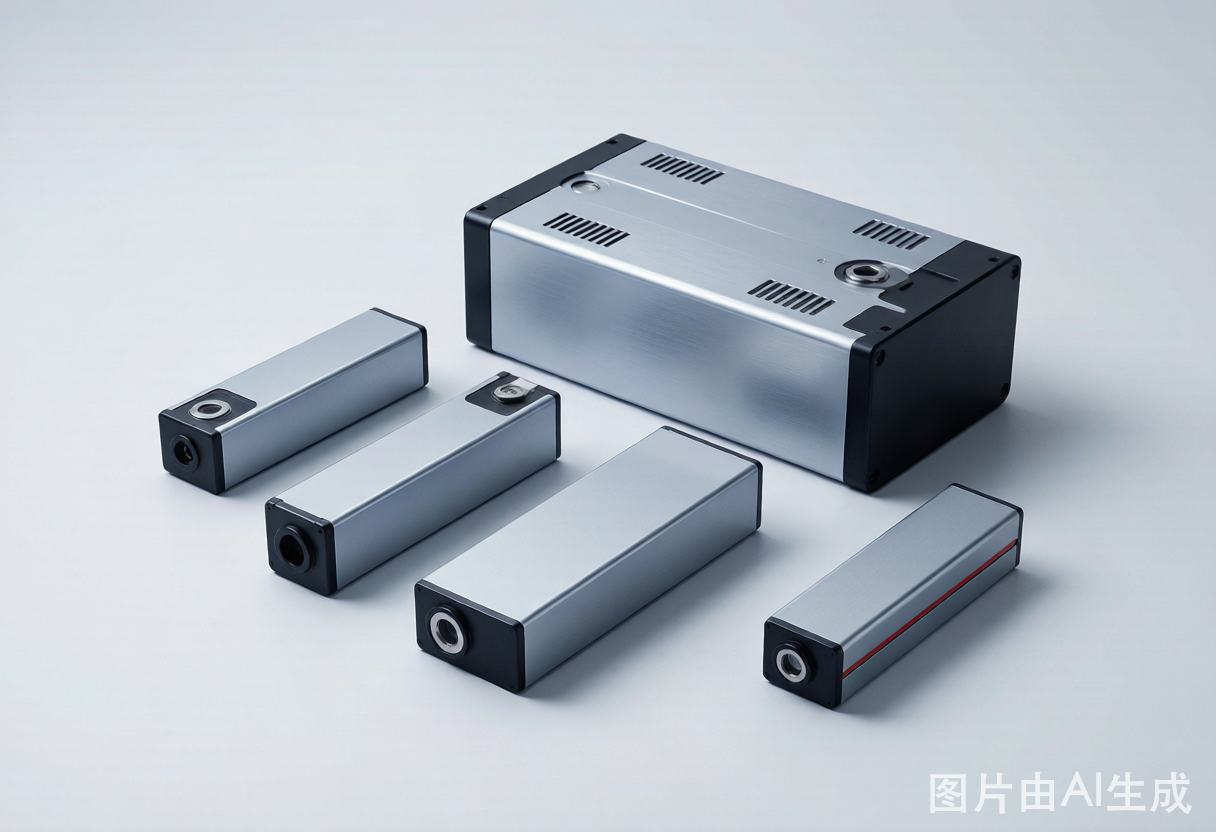
A home energy storage system (HESS) pairs a rechargeable battery with an inverter and a controller so a household can capture solar energy, draw cheap off-peak grid power, or store generator output and then release that energy precisely when it is most valuable. For homeowners and small businesses, the right system lowers electricity bills through self-consumption and time-of-use arbitrage, keeps critical circuits running during an outage, and supports whole-home electrification such as heat pumps, electric vehicles, and induction cooking without overloading the service panel. As retail tariffs climb and export payments to the grid fall, storage has moved from a nice-to-have accessory to the financial center of a modern energy setup. Most buyers underestimate how much the dispatch logic and the sizing of the three core components matter, and overestimate the importance of a single spec sheet number. This page walks through both, so you can specify or buy a system with confidence rather than on a headline figure.
How It Works
At the core sits a battery pack, most often lithium iron phosphate (LFP) and increasingly sodium-ion where the cabinet is unheated. The pack connects behind a hybrid or off-grid inverter that manages charging from solar or grid, discharging to household loads, and enforcing export rules set by the utility. A battery management system (BMS) protects the cells from over-charge, over-discharge, and thermal stress, while a controller runs dispatch logic: self-consumption first, then backup reserve, then arbitrage, all tuned to your tariff and the local weather forecast. The three components must be sized together. Battery capacity sets how long you can run, inverter power sets what you can run at once, and BMS headroom sets how hard the system can be pushed. Getting this trio right is what separates a system that quietly pays for itself from one that nuisance-trips under real evening load, and it is worth spending the time to model before you buy.
Comparison
| Attribute | LFP home ESS | Sodium-ion home ESS | Lead-acid |
|---|---|---|---|
| Usable cycles | 3,000-6,000 | 2,000-5,000 | 500-1,200 |
| Round-trip efficiency | 90-95% | 85-92% | 70-85% |
| Cold weather (below -10C) | Needs heating | Strong retention | Poor |
| $ per usable kWh | Mid | Lower | Lowest upfront, high TCO |
| Best fit | Most climates | Cold or unheated | Legacy backup only |
Specifications to Specify
| Capacity (kWh) | Cover evening + backup load | Daily kWh x days of autonomy |
|---|---|---|
| Continuous power (kW) | Run all simultaneous loads | Sum critical circuits + 25% |
| Depth of discharge | Usable vs nameplate | Specify 90% usable for LFP |
| Inverter type | Hybrid vs off-grid | Hybrid grid-tied; off-grid no utility |
| Certifications | Safe install | UN38.3, IEC 62619, local EMC |
Applications
Explore the deep dive for your use case:
- Solar self-consumption
- Backup power for outages
- Time-of-use arbitrage
- Island and remote communities
- Home EV charging support
Sizing a Home System
Start from daily consumption: a typical efficient home uses 8 to 20 kWh per day. Size battery capacity for one to two days of autonomy if you have no grid connection, or 5 to 15 kWh for a grid-tied system that combines backup with self-consumption. Match inverter continuous power to your largest simultaneous load, because an induction cooktop, a heat pump, and an EV charger running together can exceed 10 kW. Oversize capacity rather than inverter where the budget is tight: you can shed loads automatically during an event, but you cannot create energy the battery does not physically hold. For most households the sweet spot is a 10 kWh battery behind a 5 kW hybrid inverter, expanded later as loads grow.
Payback and Incentives
Payback arrives from three streams: self-consumption of solar you would otherwise export cheaply, arbitrage between off-peak and peak rates, and avoided outage costs for fridges, pumps, and medical equipment. With rising time-of-use tariffs, many systems reach simple payback in six to ten years, faster where export rates are low and peak rates are high. Layer any local rebate, tax credit, or net-billing program on top and the case strengthens further. Model the cash flow on your actual tariff rather than a generic assumption, because dispatch logic and your evening load shape drive the result more than the size of the solar array.
Safety and Install
Use certified cells, a proper BMS, and a code-compliant install. Stationary systems should meet UN38.3 for transport and IEC 62619 for stationary use, plus your local electrical code. Keep the battery in a ventilated, temperature-managed space away from ignition sources, and have a qualified installer validate the breaker, bonding, and emergency disconnect. A clean install is invisible day to day and performs for a decade.
Comparing Chemistries
LFP is the default for most homes thanks to long cycle life and stable chemistry. Sodium-ion wins where the cabinet sits in an unheated garage or a cold climate, because it keeps far more capacity at low temperature. Lead-acid still appears in legacy backup, but its short cycle life and low efficiency make total cost of ownership poor. Choose the chemistry from where the battery lives and how often it cycles, not from the lowest sticker price.
Monitoring and Smart Dispatch
Modern controllers log state-of-charge, throughput, and savings so you can see the payback accumulate. Smart dispatch uses the tariff schedule and a weather forecast to decide when to charge from grid, when to hold reserve, and when to discharge. This turns a passive battery into an active asset that shifts load away from peak pricing automatically, and it is the single biggest lever on real-world savings after correct sizing.
Integration with Solar and EV
A home battery is most valuable as part of a larger energy system rather than a standalone box. Couple it with a solar array so midday generation charges the pack instead of flowing to the grid at a low export rate, and the evening load then draws from stored energy. Add an EV and the same battery can shift the car charge to off-peak hours, or in homes with vehicle-to-home capability the car becomes a temporary backup source during an extended outage. Plan the breaker and busbar for these combined loads up front so you do not rewire later when the system grows.
Warranty and Degradation
Read the warranty as capacity retained at a stated cycle count, not just years. A strong residential warranty promises 70 to 80 percent usable capacity after ten years or several thousand cycles, tested at the rated depth of discharge. Degradation is not linear: most loss happens early and then flattens, so a pack that holds up in year two usually serves the full term. Keep the install within the rated temperature band, because heat is the main accelerant of capacity fade, and a cooler cabinet is a longer-lived battery.
Choosing an Installer
Pick an installer who designs to your load and tariff, not one who quotes a standard size. Ask for the projected annual self-consumption, the payback model, and the permit and inspection plan. A good installer explains the dispatch settings in plain language and leaves you with monitoring you can actually read. The cheapest quote with the largest battery is rarely the best value; the right size with honest modeling is.
Future-Proofing the System
Design for the next battery, not just this one. Choose an inverter and BMS that accept firmware updates and a communication standard your future cells speak, so a chemistry upgrade does not mean a new enclosure. Leave physical and electrical headroom for a second battery string if your loads grow. Consider whether vehicle-to-home or community microgrid features matter in your market, because they change how much storage pays back over time. A system specified with the next five years in mind costs little more today and avoids a premature replacement that wastes the first battery investment.
Frequently Asked Questions
How big a home battery do I need?
Size from daily kWh and desired autonomy: 5-15 kWh for grid-tied backup and self-consumption; 1-2 days of capacity for off-grid.
LFP or sodium-ion for home storage?
LFP for most climates; sodium-ion where the cabinet is unheated or cold, thanks to better low-temperature retention.
Will it run my whole house?
Only if the inverter is sized for your peak load. Most homes back up critical circuits and shed heavy loads like EV charging during outages.
Is home storage safe?
Yes with certified cells, a proper BMS, and code-compliant install (UN38.3, IEC 62619, local electrical code).
Written by Karl at China Battery Technology. Need a pack scoped to your duty cycle? Request a quote.