Battery Application Solutions for Portable Power Stations: A Buyer’s Guide
Battery Application Solutions for Portable Power Stations: A Buyer’s Guide
Portable power stations — the suitcase-sized units campers, filmmakers, and emergency crews carry — are where battery technology meets everyday convenience. A good battery application solutions approach matches cell chemistry, inverter rating, and form factor to how the unit is actually used: weekend camping, jobsite backup, medical transport, or disaster response. The right design decides whether a station feels effortless or runs out at the worst moment, and it is the difference between a product customers recommend and one they return.
What Drives the Design
Capacity (Wh), continuous output (W), and peak surge decide what you can run. A 500 Wh station tops up phones and a laptop for days; a 2000 Wh unit runs a mini-fridge or a CPAP overnight. The inverter waveform matters — pure sine wave protects sensitive electronics like cameras and medical devices, while modified sine is cheaper but risks noise or damage. Port count and recharge options (AC, solar, car, and USB-C PD) decide how many devices run at once and how fast you recover.
Chemistry Choices
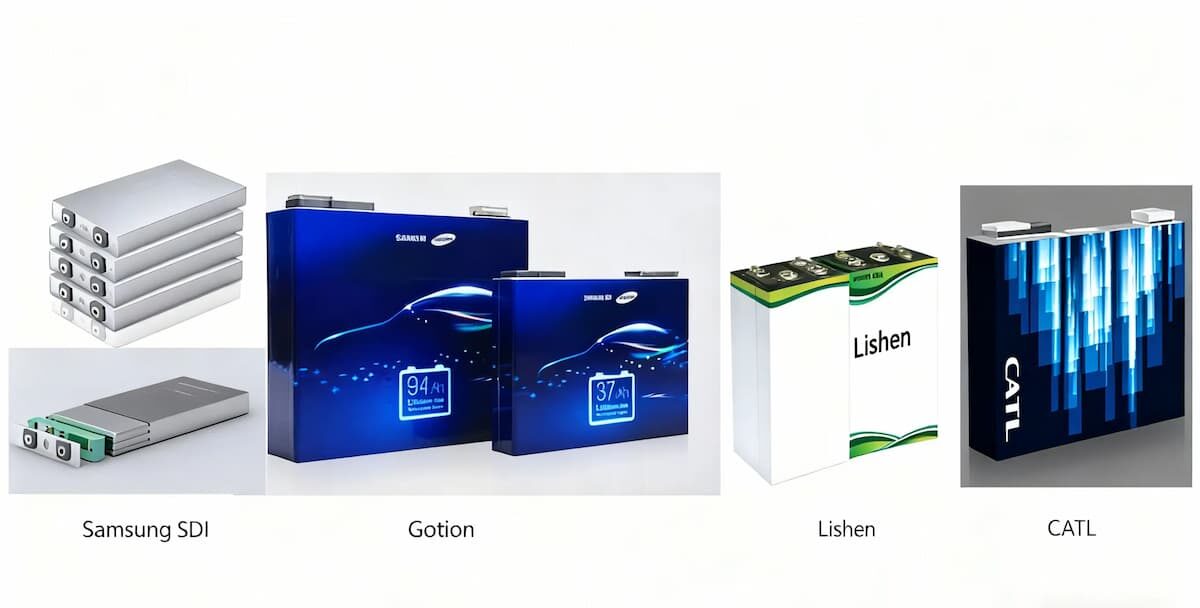
Most stations use NMC or LFP cells. NMC packs more energy per kilo, which matters when you carry it; LFP lasts longer and is safer, which matters when the unit is left in a hot car. For a station that sees weekly use and lives in a vehicle, LFP is the safer long-term pick despite the weight, and it tolerates the full state-of-charge storage that casual users forget about.
Portable Station Comparison
| Attribute | Small (300–600 Wh) | Mid (1000–1500 Wh) | Large (2000+ Wh) |
|---|---|---|---|
| Typical use | Phones, laptop | Fridge, lights | Power tools, medical |
| Weight | 3–7 kg | 10–18 kg | 20–35 kg |
| Recharge | Solar/AC | Solar/AC/car | Solar/AC/dual |
| Cost | $300–$600 | $900–$1500 | $1800+ |
Matching Solutions to Users
For campers, prioritize weight and solar input. For film crews, prioritize pure-sine output and multiple AC ports. For emergency responders, prioritize fast AC recharge and a high surge for pumps or communications. A battery application solutions partner specs the BMS, thermal limits, and ports to the duty cycle instead of shipping a one-size box, and validates the pack against the real environment — a hot trunk, a freezing trailhead, a dusty relief site.
Safety and Certification
A portable station ends up in bedrooms, tents, and ambulances, so certification is not optional. Look for UN38.3 transport compliance, recognized inverter and charger safety marks, and a BMS that caps charge and discharge temperature and balances cells. Avoid unknown cells with no documentation; a fault in a device someone sleeps next to is a recall, not a footnote. Reputable suppliers provide the test reports a procurement team needs.
Real-World Runtime Examples
To make the numbers concrete: a 500 Wh station runs a laptop and phones for two to three days of light use, or a single small fridge for roughly six hours. A 1000 Wh unit keeps a mini-fridge running overnight while charging devices, and a 2000 Wh station can run a CPAP for a full night plus a fan and lights. Match the capacity to the longest stretch between recharges you actually expect, then add 25% so you are never the person whose power dies at 2 a.m. A modest solar panel stretched over a long layover can erase the deficit entirely.
People Also Ask
Can I charge one from my car? Yes via the 12 V socket or a DC-DC charger, but it is slow; solar or AC is faster for a full top-up.
How long do they last? LFP stations deliver 3000–6000 cycles; NMC about 500–1000. Expect 5–10 years of weekend use from a well-built LFP unit.
Written by Karl at China Battery Technology. Request a quote.