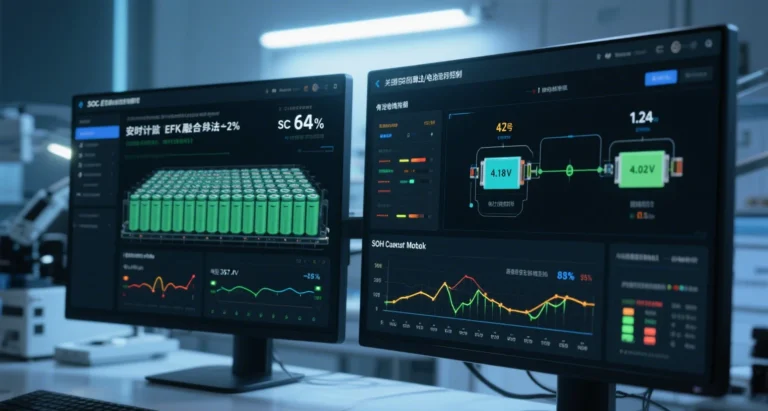
Semi-Solid Battery for Portable Ventilator: Safe, Reliable Breath
Semi-Solid Battery for Portable Ventilator: Safe, Reliable Breath
A portable ventilator is life-support on the move — in ambulances, during intra-hospital transport, or in home care for patients who cannot breathe unaided. The battery is not a convenience; it is the patient’s airway. A semi solid state battery gives ventilator designers a safer, higher-energy cell than legacy lithium, with less free electrolyte to leak or ignite against a vulnerable patient.
Why Ventilators Are Demanding
A ventilator draws a steady, moderate current for its blower, valves, and electronics, but it must do so without interruption for many hours and survive being dropped, bumped, and moved between chargers. Above all it must fail safe: the pack needs redundant protection, accurate state-of-charge reporting, and graceful shutdown rather than a sudden cut-out. Medical certification (IEC 60601-1) sets the bar for isolation, leakage, and reliability.
What Semi-Solid Brings
Semi-solid cells replace much of the flammable liquid electrolyte with a gel or composite, cutting the free liquid that causes thermal runaway and leakage. That raises the safety margin in a device pressed against a patient’s body or carried on a stretcher, while improving energy density so the same weight yields longer runtime between charges — critical on long transfers or during power outages.
Ventilator Battery Comparison
| Attribute | Semi-Solid | Standard Li-ion | LiFePO4 |
|---|---|---|---|
| Safety margin | High | Medium | High |
| Energy density | High | Medium | Low |
| Leak risk | Low | Medium | Low |
| Cycle life | 800–1500 | 500–1000 | 1500–3000 |
| Medical maturity | Emerging | Established | Established |
Sizing and Certification
Size the pack for the worst-case autonomy the device claims — commonly 6–12 hours of continuous use plus a safety margin — and confirm the BMS reports state-of-charge and health to the ventilator over its data bus. Specify ingress protection suited to clinical cleaning, redundant protection FETs, and traceable, medical-grade cell assembly with full documentation for regulatory submission. Keep a hot-swap second pack for extended transport.
People Also Ask
Can semi-solid replace standard Li-ion in an existing ventilator? Only as a qualified redesign: voltage, form factor, and BMS communication must match, and the change requires re-certification under medical device rules.
Is semi-solid safer for home care? Yes — lower free electrolyte and higher thermal threshold reduce fire and leak risk where the device sits beside a bed for months.
Written by Karl at China Battery Technology. Request a quote.