Home Energy Storage for Rural Microgrids
Home Energy Storage for Rural Microgrids
Off-grid and weak-grid communities need storage that stitches solar, wind, and a backup generator into one stable supply. A home energy storage system — scaled from a single house to a village cluster — stores midday sun for evening use and smooths the dips that would otherwise black out a microgrid.
Why Microgrids Need Storage
Renewables alone are intermittent: solar vanishes at night and wind gusts unevenly. Batteries absorb the surplus and release it on demand, letting a microgrid run diesel-free most days. The storage also provides frequency and voltage support that keeps lights and motors steady when loads switch on and off across the village.
Key Microgrid Specs
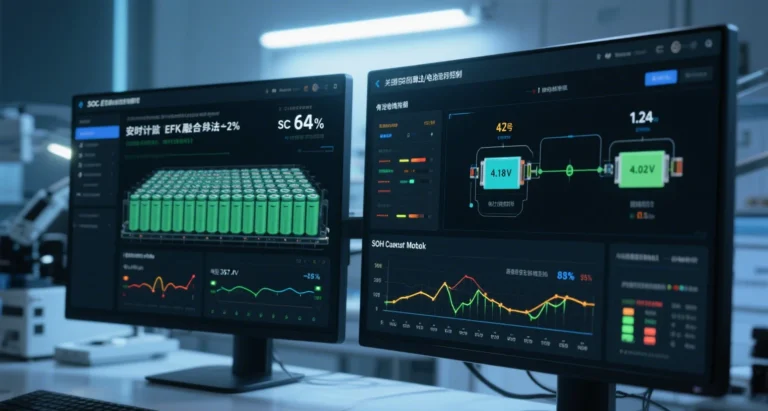
A rural system wants long cycle life under daily deep discharge, operation from −10 °C to +45 °C without constant heating, and IP54+ enclosures against dust and humidity. The inverter-charger must handle generator assist, manage unequal household loads, and report state-of-charge to a local operator over a simple app or LCD.
Rural Storage Comparison
| Attribute | LiFePO4 | Lead-Acid | Sodium-Ion |
|---|---|---|---|
| Cycle life | 4000–7000 | 500–900 | 3000–5000 |
| Cold performance | Good (heat) | Poor | Excellent |
| Maintenance | None | Watering | None |
| 10-year cost | Low | High | Medium |
Sizing a Village Bank
Size to one to two days of evening and night demand at the worst solar week, then add generator assist for rare multi-cloud stretches. Spread capacity across a few all-in-one cabinets so one fault does not darken the whole village, and prioritize refrigeration, lighting, and communications on the backed-up bus. Pair with a PCS that supports black-start so the microgrid can reboot without the grid.
People Also Ask
Can a home system power a whole village? Yes — multiple home-scale units are clustered on a microgrid bus; total capacity, not single-unit size, sets the village limit.
Is sodium-ion better for remote cold sites? It performs well in cold without heaters, but LiFePO4 remains the mature, low-cost default where temperatures stay moderate.
Written by Karl at China Battery Technology. Request a quote.