Sodium-Ion Battery for Emergency Dispatch Centres
Sodium-Ion Battery for Emergency Dispatch Centres
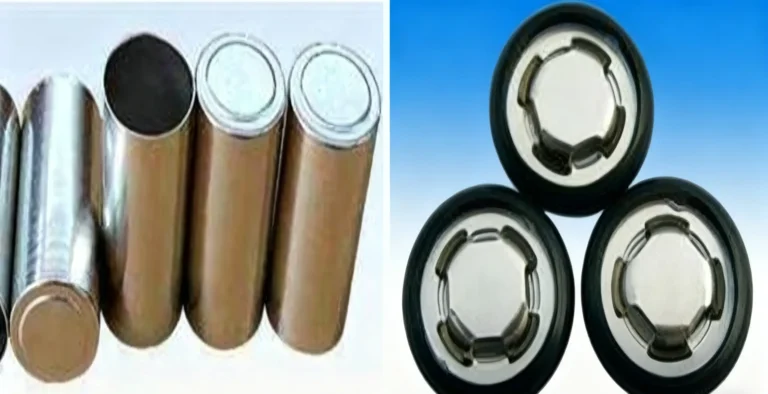
Emergency dispatch centres run around the clock, and the moment the grid fails is the moment the load matters most. A dropped radio link or a dark CAD terminal is not an inconvenience, it is a public-safety event. Most sites bridge that gap with a VRLA string sized for a few minutes until the generator starts, then live with the maintenance burden for a decade. A sodium ion battery bank changes that arithmetic: it offers long standby life, far better cold-weather behaviour than lead-acid, and a bill of materials that does not depend on lithium carbonate pricing.
Why Dispatch Centres Need More Than a UPS
A classic UPS covers the generator start window, typically 30 to 120 seconds. It does not cover a generator that fails to start, a fuel-contamination event, or a storm that keeps the refuelling truck away for three days. Dispatch operators increasingly ask for hours rather than minutes of autonomy, because the cost of an idle bank is trivial next to the cost of going dark. That shift from ride-through to genuine reserve is what pushes sites away from lead-acid.
What Sodium-Ion Brings to Standby Power
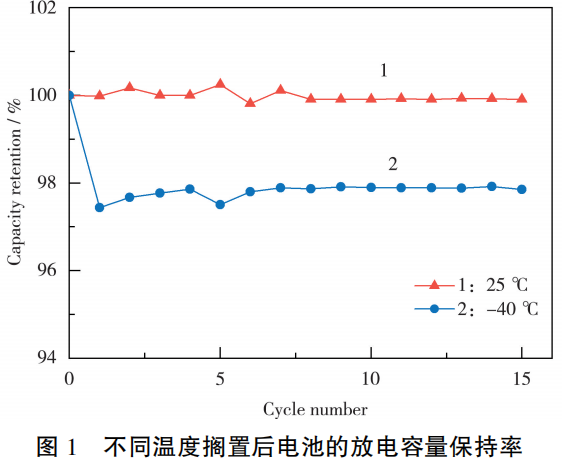
Sodium-ion cells use abundant sodium instead of lithium salts, so pricing is less exposed to the battery-metal cycle. They tolerate deep discharge without damage, which matters when autonomy actually gets used. Most importantly for unheated equipment rooms and remote repeater shelters, they retain usable capacity at −20 °C where VRLA loses roughly half its rating. Float behaviour is stable, self-discharge is low, and the chemistry carries no thermal-runaway propagation risk comparable to high-nickel lithium.
Standby Chemistry Comparison
| Attribute | Sodium-Ion | LiFePO4 | VRLA Lead-Acid |
|---|---|---|---|
| Typical cycle life | 3000–5000 | 3000–6000 | 300–500 |
| Capacity at −20 °C | ~85% | ~70% | ~50% |
| Maintenance | None | None | Impedance checks |
| Raw-material exposure | Very low | Moderate | Low |
| Service life in float | 10–15 yr | 10–15 yr | 3–6 yr |
Sizing for Autonomy and Growth
Start from the critical bus, not the whole building. Radio consoles, CAD servers, network core, and the 911 trunks stay on; training rooms and comfort HVAC do not. Multiply the measured critical load by the mandated autonomy — four hours is a common floor, eight for coastal storm zones — then apply end-of-life margin so the bank still meets spec after capacity fade. Leave 20% headroom for the next radio system upgrade, because dispatch technology refreshes faster than the battery will.
Installation and Compliance Notes
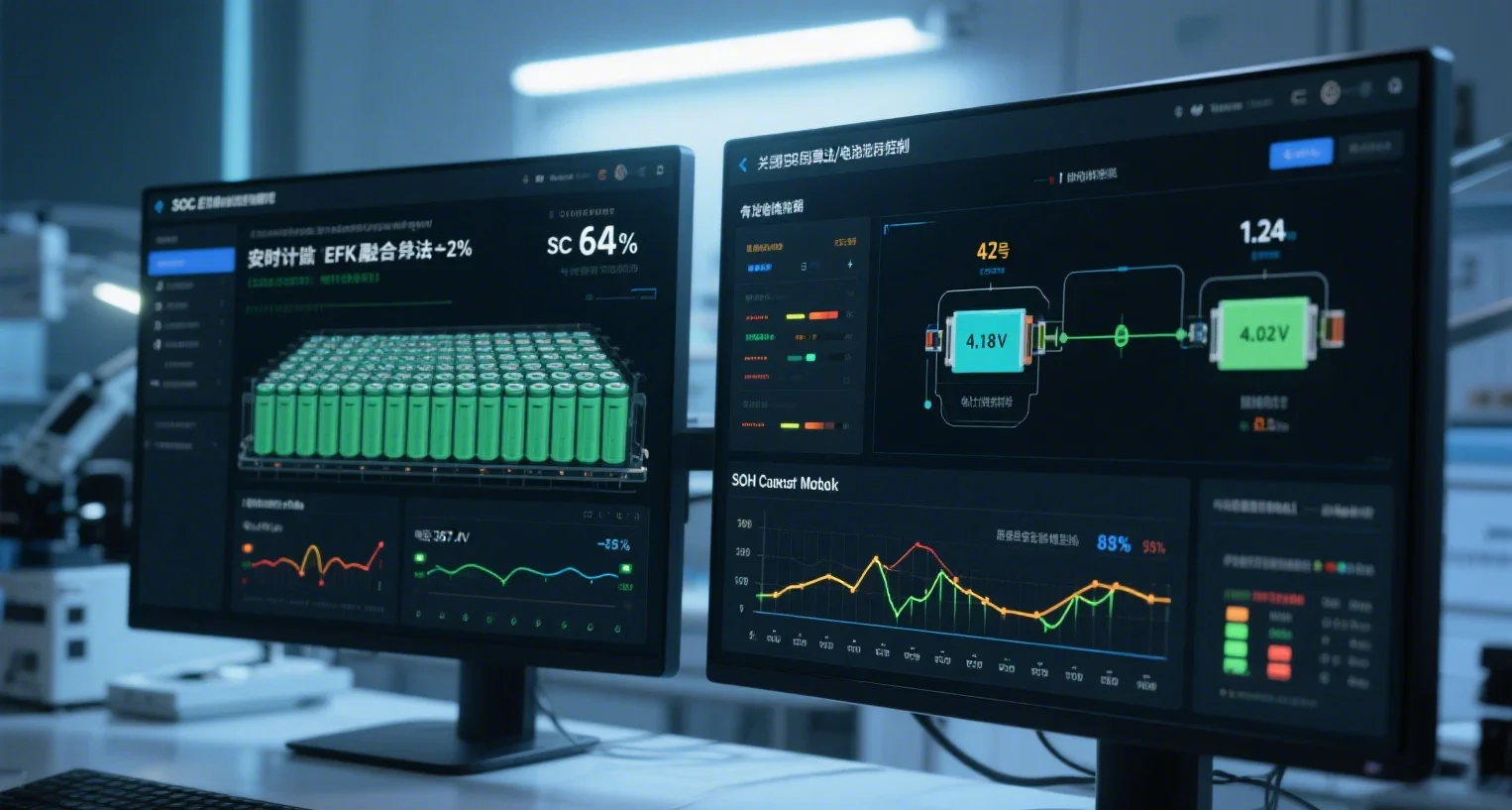
Specify a battery management system with dry-contact alarms wired into the building monitoring system, plus SNMP for remote state of charge. Confirm the charger supports the sodium charge profile before reusing an existing rectifier, since lead-acid float voltages will not do. Ask the manufacturer for UN38.3 transport test reports, cell traceability, and a fire-safety dossier; most dispatch authorities require documentation before a new chemistry enters an occupied public-safety building.
People Also Ask
How long can a sodium-ion bank carry a dispatch centre? Anywhere from one to twelve hours. Capacity is a sizing decision, not a chemistry limit — specify the autonomy you need and the bank is built to it.
Can it replace an existing VRLA string in place? Usually yes on space, since sodium-ion is denser, but the charger and monitoring must be reconfigured for the new voltage profile.
Is sodium-ion safe in an occupied building? Sodium-ion cells are non-flammable-electrolyte designs with high thermal stability, which is why they are considered for occupied critical facilities.
What does it cost compared with lithium? Cell cost is currently similar to or modestly below LiFePO4, and the advantage is expected to widen as sodium supply scales.
Written by Karl at China Battery Technology. Request a quote.