Sodium-Ion Battery for Heliport Lighting: Off-Grid Approach Power
Sodium-Ion Battery for Heliport Lighting: Off-Grid Approach Power
A helipad on a hospital roof or a remote platform has one non-negotiable requirement: the perimeter and approach lights must work on the darkest night of the year, with or without grid supply. A sodium ion battery bank is a strong fit for that duty because these installations are stationary, unattended for months, and often exposed to temperature extremes where sodium’s chemistry has an edge.
The Critical Load on a Helipad
Aviation rules demand a defined autonomy window for heliport lighting — commonly 30 minutes to 2 hours for rooftop pads and longer for remote sites without standby generation. The load itself is modest: perimeter inset lights, a lit windsock, approach path indicators, and the beacon. That combination of small steady drain and rare deep discharge favours a chemistry that holds charge without self-discharging away. Hospital rooftop pads are the strictest case, because a landing cannot be deferred to another site when the grid drops mid-procedure.
Why Sodium Suits Unattended Sites
Sodium-ion retains more than 90% of capacity at −20 °C without auxiliary heating, which removes the parasitic load that shrinks a rooftop reserve in winter. It also tolerates prolonged float at high state of charge better than several lithium variants, and its higher thermal-runaway threshold simplifies fire-safety review for enclosures mounted near occupied floors.
Heliport Battery Comparison
| Attribute | Sodium-Ion | LiFePO4 | Lead-Acid |
|---|---|---|---|
| Cold capacity at −20 °C | >90% | ~70% (needs heat) | <50% |
| Self-discharge / month | <3% | <2% | 5–10% |
| Autonomy cost per kWh | Low | Medium | Medium–High |
| Thermal safety margin | High | High | Medium (gassing) |
| Service life | 10–15 yrs | 10–15 yrs | 3–5 yrs |
Designing the Autonomy Window
Start from the required minutes, not from a capacity guess. Multiply every fixture’s wattage by the mandated duration, add inverter and control losses of roughly 15%, then apply an ageing margin so the bank still meets the rule at end of life rather than only on day one. Most rooftop heliports land between 2 and 6 kWh; remote pads with beacons and longer windows may need 10 kWh or more. Where a standby generator exists, the bank only has to cover the transfer gap, which often brings the requirement down to well under an hour of autonomy.
Rooftop and Coastal Realities
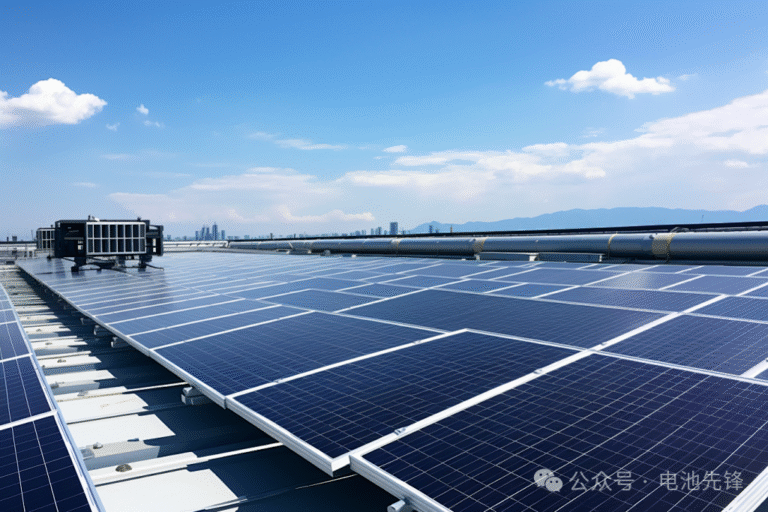
Rooftop enclosures face wind uplift, direct sun, and access restrictions, so specify a vented IP65 cabinet with a shaded aspect and a lift-friendly footprint. Coastal and offshore pads add salt spray — stainless fasteners, marine-grade cable glands, and powder-coated enclosures prevent the terminal corrosion that quietly kills unattended banks.
Monitoring a Remote Bank
Because nobody walks past these cabinets, remote telemetry is part of the safety case. A BMS reporting state of charge, cell balance, and internal temperature over Modbus or a cellular gateway lets maintenance teams see a failing cell months before it affects autonomy, and keeps the compliance record aviation inspectors ask for.Pair the telemetry with a scheduled discharge test once or twice a year, so the reserve is proven under real load rather than assumed from a state-of-charge reading.
People Also Ask
How long can sodium-ion run helipad lights? Anywhere from 30 minutes to several hours; size the bank to your mandated autonomy window plus a 20% ageing margin.
Does sodium-ion need heating on a cold roof? Usually not. It keeps over 90% capacity at −20 °C, so heaters are optional rather than required as they are for LFP.
Can it sit unused for months? Yes. Self-discharge under 3% per month means a seasonal helipad still meets its reserve after a long idle period.
Is sodium-ion approved for aviation ground equipment? It is widely specified for ground-based lighting; confirm the cabinet and BMS documentation against your local civil aviation authority requirements.
Written by Karl at China Battery Technology. Request a quote.