Semi Solid State Battery for Electric Scooter: Lighter, Safer Rides
Semi Solid State Battery for Electric Scooter: Lighter, Safer Rides
Shared and commuter scooters live a hard life — rain, potholes, and daily fast charging in dense cities. A semi solid state battery is the practical next step beyond today’s liquid-electrolyte cells, trading some of the flammable solvent for a gel or composite that is safer, denser, and longer-lived.

Why Scooters Benefit First
A scooter is weight-sensitive: every kilogram in the deck changes handling and range. Semi-solid cells pack more watt-hours per kilogram than conventional Li-ion, so a rider gets either longer range at the same weight or the same range in a lighter, nimbler deck. For fleet operators, that translates directly into fewer charges per shift and lower labor.
Safety in Shared Use
Liquid lithium packs fail when punctured, overcharged, or cooked by a cheap charger — the failure mode that makes scooter fires headline news. Replacing much of the liquid electrolyte with a stable composite raises the thermal-runaway threshold and curbs leakage after a crash. That matters for devices left outdoors and charged by strangers.
Scooter Battery Comparison
| Attribute | Semi-Solid | Liquid Li-ion | Lead-Acid |
|---|---|---|---|
| Energy / kg | High | Medium | Low |
| Thermal safety | High | Medium | High |
| Cycle life | 1500–3000 | 500–1000 | 200–400 |
| Crash leakage | Low | Medium | None |
| Cost today | Medium–High | Low–Medium | Low |
Charging and Fleet Care
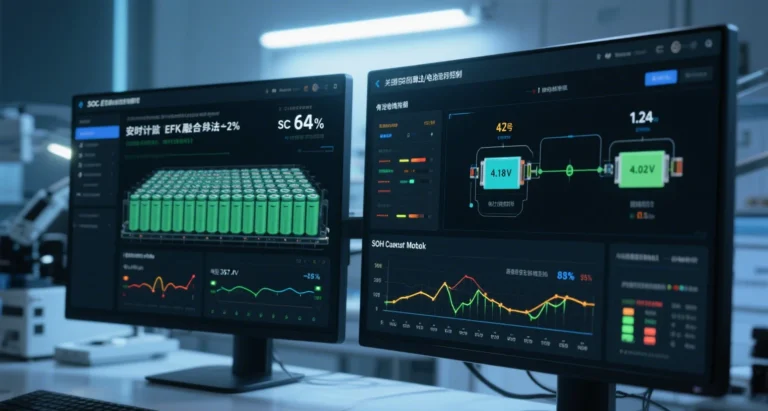
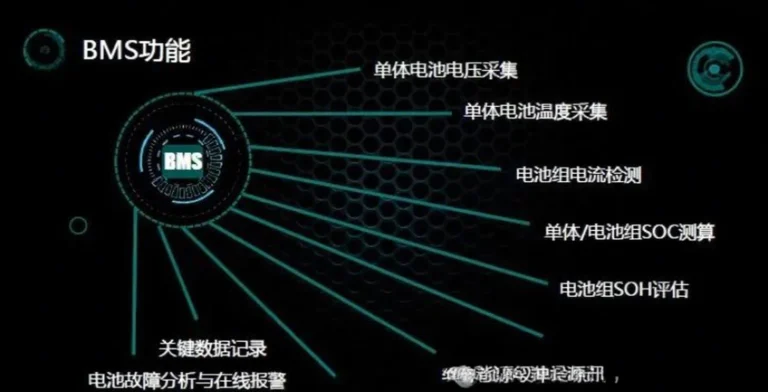
Semi-solid tolerates fast charging better than aged liquid cells, but fleet longevity still depends on a managed charger with temperature cutoff. Store and charge between 10 °C and 35 °C where possible, and rotate packs so no single deck is over-cycled. A basic battery-management system with balancing keeps every cell in step across the scooter’s life.
Range and Real-World Gains
Riders notice semi-solid most on hills and headwinds, where the cell’s higher sustained discharge keeps voltage from sagging the way an aged liquid pack does. Expect 10–25% more range at the same deck weight, or the same range in a lighter scooter that is easier to carry upstairs. Fleet operators see the gain as fewer mid-shift swaps and less charger contention at the depot, which matters when a hundred decks share a handful of stations.
Cold Weather and Storage
Cold is still the enemy of any lithium-based cell, but semi-solid’s lower liquid content is more forgiving than conventional electrolyte. Store scooters indoors overnight in winter, charge at room temperature when possible, and avoid leaving a fully charged pack baking in summer sun. A simple charge log per deck reveals early fade before a rider is stranded two kilometers from the dock.
Recycling and End of Life
Because semi-solid packs contain less solvent, some recyclers handle them more cleanly than standard cells, though the supply chain is still maturing. Ask the supplier about take-back: a fleet that retires dozens of decks a year should plan recycling up front rather than storing dead packs in a corner. Designing the enclosure for easy pack removal also keeps a single deck in service long after its first battery has been swapped.
What to Ask a Supplier
Request the cell’s tested cycle count at 80% depth, the thermal-runaway onset temperature, and certification for the markets you serve. Ask whether the pack is repairable or must be recycled as a unit — that choice drives your end-of-life cost as the fleet scales.
People Also Ask
Is semi-solid available in production scooters now? Yes — several premium and shared-fleet models began shipping semi-solid packs in 2025–2026 as volume ramped.
When will full solid-state arrive? Full solid-state is still scaling for cost; semi-solid is the proven, available step that already beats liquid lithium on safety and density.
Written by Karl at China Battery Technology. Request a quote.
Related reading: Semi-Solid State Battery for VR Headsets: Lighter, Safer Immersion