Sodium Ion Battery for Electric Stairlift: Safe Vertical Mobility
Sodium Ion Battery for Electric Stairlift: Safe Vertical Mobility
Stairlifts keep older adults and people with reduced mobility safe in two-story homes, yet most still rely on sealed lead-acid packs that sag in cold hallways and need replacing every couple of years. A sodium ion battery gives the same chair a longer-lived, intrinsically safer, and cold-tolerant power source — ideal for a device whose only job is to never let you down on the stairs.
Why Sodium Suits a Stairlift
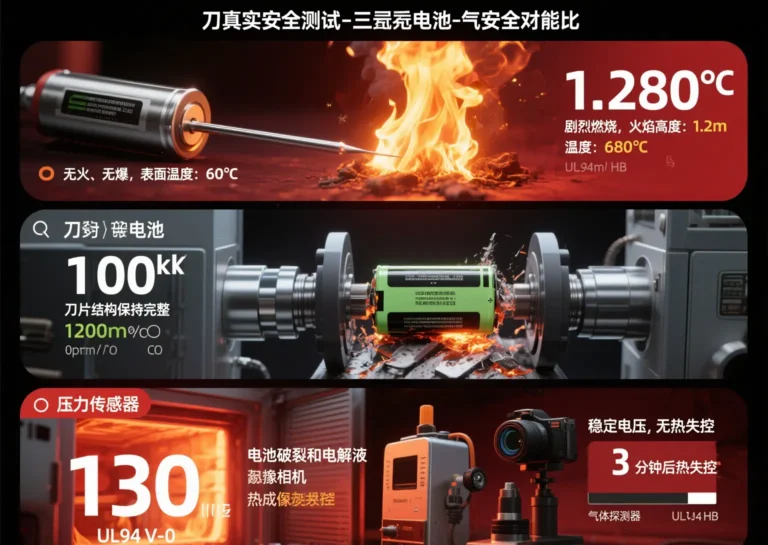
A stairlift draws a brief, predictable current each ride and sits idle between trips, exactly the shallow-cycling duty where sodium-ion thrives. It keeps over 90% capacity at −20 °C without heaters, so an unheated stairwell in winter still delivers a full, confident climb. Sodium’s higher thermal-runaway threshold also removes the fire anxiety that surrounds some lithium packs in a home.
What to Look For
Spec a pack with a BMS that reports state-of-charge to the chair controller, over-current and over-temperature cutoffs, and a sealed enclosure rated for residential dust and humidity. Because a stairlift is a safety device, choose cells and BMS from a supplier with documented quality control and a clear warranty — the battery should outlast the chair’s upholstery.
Stairlift Battery Comparison
| Attribute | Sodium-Ion | Lead-Acid | LFP |
|---|---|---|---|
| Cycle life | 3000–5000 | 300–500 | 3000–6000 |
| Cold performance | Excellent | Poor | Good |
| Home safety | Very high | Medium | High |
| Weight | Medium | High | Low |
| 5-year cost | Low | High | Low |
Runtime and Backup
A typical straight stairlift rides 10–20 times a day, so a properly sized sodium pack runs a week or more between charges and still completes several trips during a power outage on its parked charge. Many chairs park-and-charge at the bottom rail; pair the battery with a UPS-style charger so a blackout never strands a user halfway up.
Charging and Maintenance
Sodium’s tolerance for partial charge means the chair can top up after every few rides without harm, unlike lead-acid which wants a full cycle. The BMS handles balancing automatically, so the homeowner does almost nothing — just keep the charger plugged in and let the pack manage itself through the seasons.
Cost and Payback
Lead-acid packs are cheap to buy but need replacing every two to three years, and a failed pack can strand a user. A sodium pack costs more initially yet often outlasts the chair, removing repeat replacement labor and the risk of a dead stairlift — a compelling case where safety, not price, decides the purchase.
Common Mistakes
The main errors are fitting a pack without verifying the chair’s voltage and charger profile, leaving an old lead-acid charger connected, and ignoring the BMS communication the chair relies on for diagnostics. Always have a qualified installer confirm compatibility before swapping chemistries.
Getting the Most from the Pack
Mount the pack where the chair’s own diagnostics can read it, and keep the original installer’s contact on file for the rare firmware or BMS question. Rotate the chair’s daily rides so one side of the rail does not shoulder every climb, and run the self-test the manufacturer recommends each season so a fading cell is caught long before it matters. Because sodium tolerates partial charge so well, topping up after a few rides costs nothing and extends service life.
People Also Ask
Is sodium-ion safe indoors? Yes — it has no flammable dendrite growth and a high thermal threshold, making it well suited to occupied homes.
Will it fit my existing stairlift? Many chairs accept a drop-in sodium pack with a compatible BMS; a qualified installer verifies voltage and charger profile first.
How often must I charge it? Weekly light use needs only an occasional top-up; the BMS protects against both over-charge and deep discharge.
Written by Karl at China Battery Technology. Request a quote.
Related reading: Sodium-Ion Battery for Offshore Platforms: Safer Remote Power