Lithium Battery for Electric Wheelbarrow: Cordless Material Hauling
Lithium Battery for Electric Wheelbarrow: Cordless Material Hauling
Construction, landscaping, and farm crews waste hours ferrying soil, stone, and tools across sites that machines cannot reach. Swapping the petrol or manual barrow for a pack powered by a lithium battery manufacturer-grade cell turns a back-breaking chore into a one-hand job. Cordless electric wheelbarrows haul 100–300 kg per trip, climb ramps, and dump at the press of a button — all without fumes, pull-cords, or a tired operator by lunchtime.
Why Lithium Outperforms Lead-Acid Here
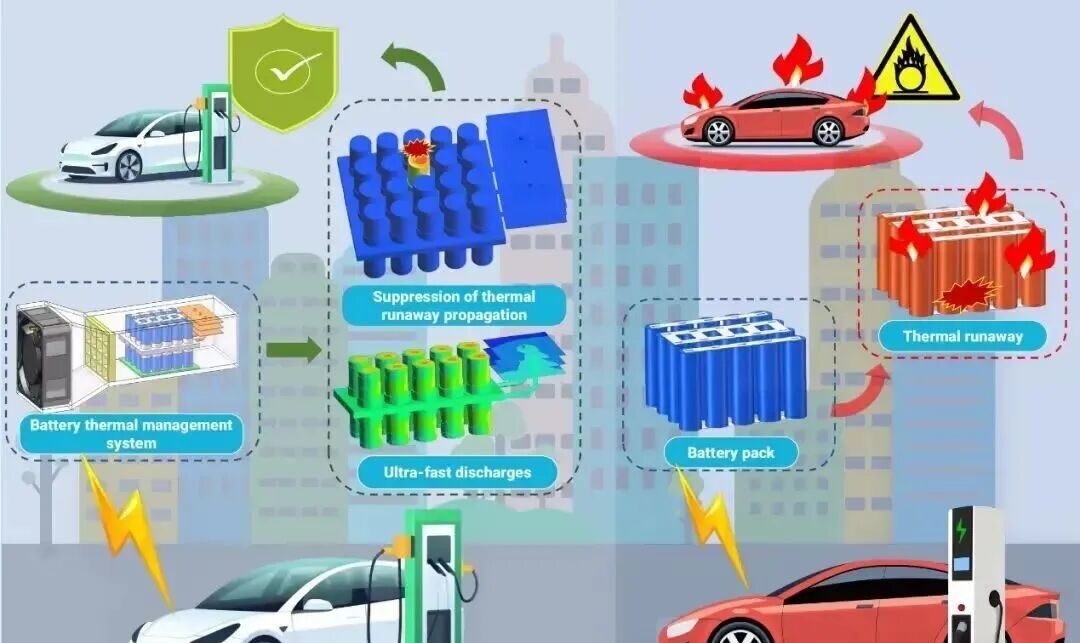
A wheelbarrow hauls heavy, uneven loads and often sits half-charged between uses. Lithium iron phosphate (LiFePO4) tolerates partial-state-of-charge cycling without sulfation, so the pack stays healthy even when the crew forgets to top it up. At roughly a third of the weight of a lead-acid equivalent, the battery also frees payload capacity and keeps the barrow’s center of gravity low for stability on slopes and uneven ground.
What to Spec in the Pack
Look for a sealed, IP65-rated enclosure that shrugs off mud and rain, a BMS with short-circuit and over-temperature protection, and a charger that reaches 80% in under two hours during the lunch break. A quality wheelbarrow battery uses automotive-grade cells, a sturdy carry handle, and clearly labeled state-of-charge LEDs so operators never guess remaining runtime. Avoid uncertified pouch cells in a soft wrapper — they bruise and swell under constant shock.
Wheelbarrow Battery Comparison
| Attribute | LiFePO4 | Lead-Acid | NMC |
|---|---|---|---|
| Weight (per kWh) | ~13 kg | ~30 kg | ~9 kg |
| Cycle life | 2000–4000 | 300–500 | 800–1500 |
| Charge to 80% | <2 h | 6–8 h | <1 h |
| Maintenance | None | Watering | — |
| Cost over 5 yr | Low | High | Medium |
Runtime and Sizing
Match capacity to the heaviest typical load and the longest haul. A 20–30 Ah 36 V pack covers a full day of light landscaping; a 40–60 Ah pack suits masonry or earthmoving where ramps and repeated lifts dominate. Keep a second charged pack on the truck so a dead battery never stops the crew — swap in seconds, charge the spent one on the ride home.
Charging and Fleet Care
Opportunity charging is the secret to all-day use: plug in during every break instead of waiting for a full depletion. Store packs indoors over winter and keep them at 40–60% charge if the barrow will sit for months. A monthly balancing charge from a smart charger prevents the weak-cell drift that quietly shrinks runtime.
Cost and Payback
A petrol barrow burns fuel and needs engine service; a lead-acid pack needs replacement every two years. A LiFePO4 wheelbarrow battery costs more up front but typically pays back in 1–2 seasons on a busy crew through saved fuel, labor, and replacement cycles — before counting the ergonomic gain of fewer strained backs.
Common Mistakes
The usual errors are undersizing the pack for the heaviest load, skipping the spare so one dead cell halts the day, and ignoring the IP rating until the first rain shorts the connector. Buy the next size up, carry a second pack, and insist on sealed connectors.
Getting the Most from the Pack
Train the crew to roll the barrow back to the charger between every major task rather than waiting for a flat pack, and label each pack so the oldest gets used first. For multi-unit fleets, standardize on one voltage and charger so a single spare fits every barrow and the foreman carries one backup instead of four.
People Also Ask
Can I retrofit my existing wheelbarrow? Yes — conversion kits pair a LiFePO4 pack with a 24–36 V hub motor and a dump actuator, though purpose-built units integrate the BMS and frame more cleanly.
How long does the battery last per charge? Typically 4–8 hours of intermittent hauling, or 20–40 dump cycles, depending on load and terrain.
Is it safe in wet conditions? With an IP65 pack and sealed connectors, yes; just store it indoors and never submerge the charger.
Written by Karl at China Battery Technology. Request a quote.
Related reading: Lithium Battery for Electric Winch: Cranking Power Without the Voltage Drop