Battery Solutions for Mobile Phone Repair Van: Power on the Road
Battery Solutions for Mobile Phone Repair Van: Power on the Road
A mobile phone repair van turns a workshop on wheels, but every microscope, hot-air rework station, and soldering iron needs clean, portable power. The right battery application solutions let a technician run a full repair bench from a parked van without idling a generator or hunting for a wall outlet at a client’s curb.

Why a Repair Van Needs Portable Power
Repairs are bursty: a preheat gun can pull 800–1200 W for seconds, a microscope LED runs all day, and a vacuum holder needs steady draw. A van rarely sits next to a 15 A outlet, and extension cords across a sidewalk are both a trip hazard and a liability. A properly sized battery bank absorbs these bursts and smooths them, so the bench behaves exactly like it would in a shop.
What Actually Draws Power in the Van
- Rework and soldering tools — hot-air stations and soldering irons are the biggest loads.
- Microscopes and lighting — low wattage but always on during a job.
- Charge-and-test rigs — drawing current from a phone while diagnosing it.
- Laptop and POS — invoicing and inventory between calls.
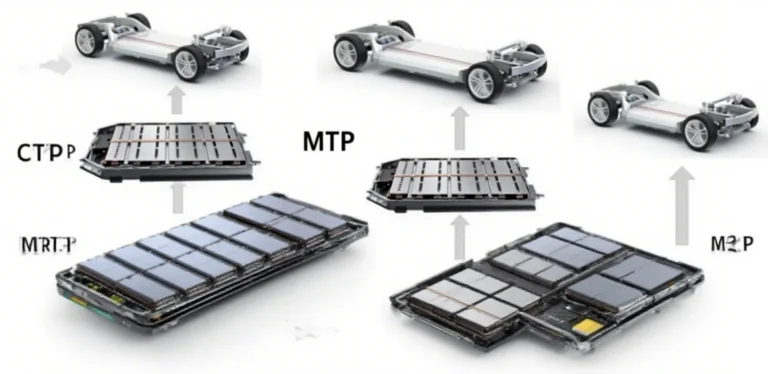
Battery Chemistry Comparison
| Attribute | LiFePO4 (LFP) | NMC | Lead-Acid |
|---|---|---|---|
| Cycle life | 3000–6000 | 800–2000 | 300–500 |
| Weight for 2 kWh | ~22 kg | ~18 kg | ~55 kg |
| Fast-charge | Good | Excellent | Poor |
| Safety in cabin | High | Medium | Medium |
| 10-year cost | Low | Medium | High |
Sizing the Bank
Total the worst-case simultaneous load — typically the rework gun plus microscope plus laptop, around 1.3–1.6 kW — then add the duration of a busy job block. A 2–3 kWh LFP pack covers a full day of roadside repairs with margin, and its low self-discharge means it holds charge between weekend gigs. Spec an inverter rated for at least 2× the continuous draw to handle tool inrush.
Charging on the Road
Charge from the van’s alternator while driving between calls, or from shore power overnight. Many all-in-one units accept solar too, so a roof panel tops the bank during a long on-site job. Keep the battery in a vented, secured enclosure away from the work surface, and monitor state-of-charge from your phone so you never start a job flat.
Inverter and Waveform Choice
Use a pure-sine inverter, not a modified-sine unit. Rework stations and sensitive test gear expect a clean wave; a choppy one can trip protection circuits or add ripple to a phone’s measured battery health. Size the inverter’s continuous rating for the running load plus 30%, and its peak rating for tool inrush — a hot-air gun cold-start can briefly double its draw. A low-idle-loss inverter matters too, because the bench spends more time idling than soldering.
A Real-World Workday
Picture a Saturday: three screen replacements and a charging-port micro-solder before lunch. The bank discharges maybe 1.2 kWh across the day, recharges from the alternator between stops, and still shows 60% at close. Compare that to a generator — noise, fuel, and a permit headache — and the battery van wins on every street it parks on. Technicians report finishing more jobs per day simply because setup is plug-and-play.
People Also Ask
Can a battery really run a soldering station? Yes — an LFP pack with a pure-sine inverter handles hot-air stations and irons for hours; size the inverter for tool inrush, not just running watts.
Is it safe inside a vehicle? LiFePO4 in a sealed, fused enclosure with a BMS is the standard choice for mobile workshops; mount it low and secure against movement.
Written by Karl at China Battery Technology. Request a quote.
Related reading: Battery Solutions for Self-Service Kiosks: Reliable Unattended Power