Battery Solutions for Mobile Pizza Oven Carts: Off-Grid Cooking Power
Battery Solutions for Mobile Pizza Oven Carts: Off-Grid Cooking Power
A mobile pizza oven cart lives or dies by its power. Wood-fired ovens still need a fan, lighting, a fridge for toppings, and a card reader, while electric deck ovens draw kilowatts straight from the wall. The fix is a self-contained battery application solutions package that lets a cart cook anywhere — markets, festivals, weddings — without a generator humming in the background. A well-specified battery turns a parked trailer into a fully off-grid kitchen.

What a Pizza Cart Actually Draws
Map the loads before sizing. An electric deck oven pulls 2–3 kW while heating and 1–1.5 kW to hold temperature; a refrigerated topping box needs 100–300 W; blenders, lights, and a POS tablet add another 200–500 W. Peak demand can hit 4 kW for a few minutes, so the inverter must be rated for surge, not just continuous draw. Skip this step and the oven trips the inverter exactly when the dinner rush peaks.
Why Battery Beats a Generator
Generators are noisy, smell of fuel, and annoy neighboring vendors and guests. A lithium battery bank is silent, emits no fumes, and needs no refueling mid-event. For premium catering — winery evenings, rooftop parties — the quiet operation is itself a selling point that justifies the upgrade, and it keeps the cart compliant with the no-generator rules common at indoor and curated outdoor venues.
Sizing the Battery Bank
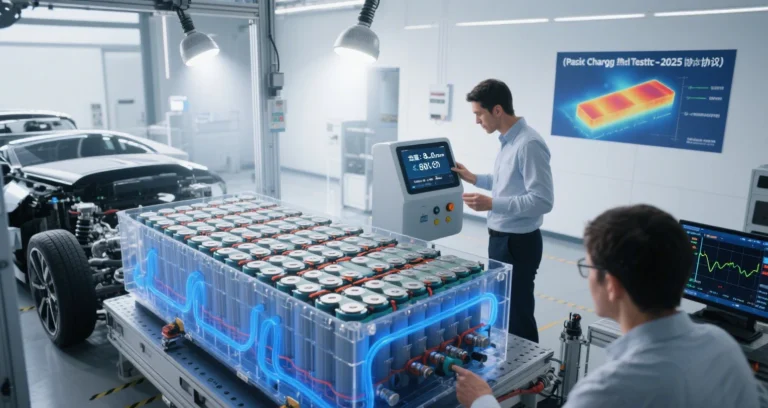
For a typical 4–6 hour service with one electric oven, plan 10–15 kWh of usable storage and a 5–6 kW inverter. Wood-fired carts can get by on 3–5 kWh just for auxiliary loads. Add a solar input or a shore-power charger so the pack tops up between events overnight, and keep a 20% reserve so a longer-than-planned shift never strands you with a cold oven.
Power System Comparison
| Option | Noise | Running cost | Best for |
|---|---|---|---|
| Generator | High | Fuel + maintenance | All-day high draw |
| Lead-acid bank | Silent | Low but short-lived | Low-budget aux loads |
| LiFePO4 pack | Silent | Low over life | Off-grid full service |
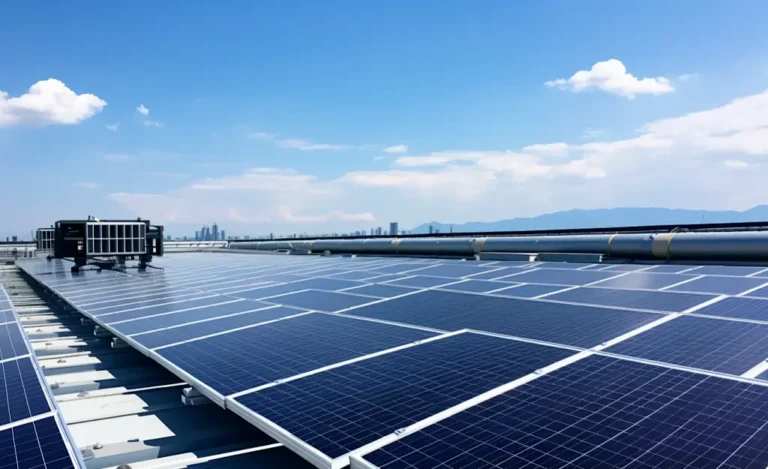
| Solar + battery | Silent | Near zero | Daytime markets |
Choosing the Inverter
Spec a pure-sine inverter sized to the oven’s surge, not its running watts, because the heating element draws hardest at switch-on. A 5 kW unit with a 10 kW surge rating covers most single-oven carts. Pair it with a 48 V battery bus so cabling stays thin and efficient, and confirm the inverter’s cooling fan is rated for the greasy, warm environment of a kitchen trailer.
Charging Between Events
Overnight wall charging is the default: a 2–3 kW charger refills a 12 kWh pack in four to six hours. For back-to-back lunch and dinner markets, add a second charger or a small rooftop solar array to recover partial capacity during the midday lull. A BMS with a phone app lets the operator confirm a full pack before leaving the depot.
Cost and Payback
A complete 12 kWh LiFePO4 kit with inverter runs a few thousand dollars, but it removes generator rental, fuel, and maintenance while opening venues that ban generators. Caterers who book quiet, premium events typically recover the cost within a season of added bookings.
People Also Ask
Can a battery really run an electric pizza oven? Yes — a 10–15 kWh LiFePO4 pack sized with a 5 kW inverter runs a deck oven for a full evening service off-grid.
How long does the charge last? With one oven and aux loads, expect 4–6 hours per charge; wood-fired carts with only auxiliary loads run a full day on 3–5 kWh.
Do I still need a generator as backup? Only for multi-day festivals without recharge; most operators charge overnight and run silent all event.
Written by Karl at China Battery Technology. Request a quote.
Related reading: Battery Solutions for Self-Service Kiosks: Reliable Unattended Power