Semi-Solid Battery for Racing Drones: More Punch, Less Sag
Semi-Solid Battery for Racing Drones: More Punch, Less Sag
FPV racing pilots live and die by punch-out throttle and low voltage sag, and traditional LiPo packs bulge, vent, and fade after a hard season. A semi solid state battery targets exactly these pain points, replacing much of the flammable liquid electrolyte with a gel or composite to boost energy density and safety while holding the high discharge that racing demands.
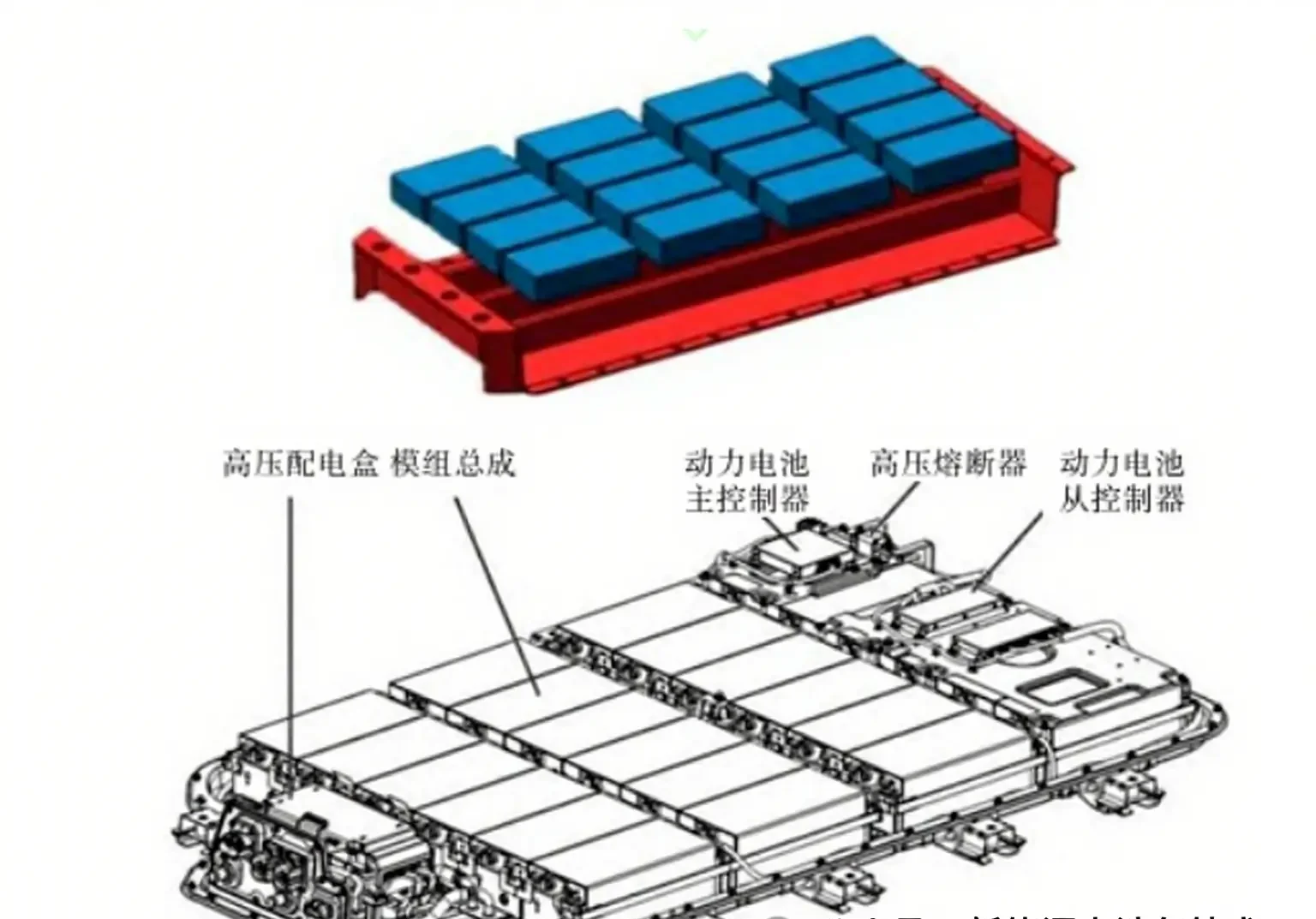
Why Racing Is So Hard on Batteries
A five-inch racer pulls 100 A or more in a punch-out, so pack internal resistance decides how much voltage collapses under load. Every millivolt of sag is lost thrust. Semi-solid chemistry can lower internal resistance growth over the pack’s life, meaning the tenth flight punches nearly as hard as the first — the opposite of a tired LiPo.
The Safety Payoff
Crashes puncture packs, and a punctured LiPo can ignite in seconds. Reducing free liquid electrolyte raises the thermal-runaway threshold and cuts fire risk in a hard impact, which matters for pilots charging and transporting dozens of packs. Semi-solid cells also swell less, so packs stay dimensionally stable in a tight quad frame.
Race Pack Comparison
| Attribute | Semi-Solid | Standard LiPo | Full Solid-State |
|---|---|---|---|
| Peak discharge | High | Very high | Improving |
| Voltage sag over life | Low | High | Low |
| Crash fire risk | Reduced | High | Lowest |
| Energy density | High | Medium | Highest |
| Availability / cost | Emerging | Very high | Low / high |
What Pilots Should Watch
Check the continuous and burst C-rating against your quad’s peak amp draw, confirm the pack’s weight fits your all-up target, and use a charger and storage-voltage routine matched to the chemistry. As semi-solid packs enter the market, early adopters should test one pack against a trusted LiPo on the same track before switching a whole fleet.
People Also Ask
Can semi-solid match LiPo punch? Leading semi-solid cells now deliver comparable burst discharge with less sag over the pack’s life, though the very highest peak C-rates still belong to race LiPos today.
Are they safer to charge? Yes — reduced free electrolyte lowers fire risk in a puncture or overcharge, a real benefit when charging many packs at an event.
Written by Karl at China Battery Technology. Request a quote.
Related reading: Semi-Solid State Battery for VR Headsets: Lighter, Safer Immersion