Battery for Warehouse Automation and AGV Fleets
Battery for Warehouse Automation and AGV Fleets
Automated warehouses run robots around the clock, and the battery for warehouse automation is the unsung enabler of throughput. AGVs, AMRs, and automated lifts need packs that charge fast and cycle forever. battery application solutions teams, working with a lithium battery manufacturer, design for continuous duty.
Why Lithium Replaced Lead-Acid Here
Lead-acid needs full recharge and maintenance; lithium (usually LFP) supports opportunity charging during breaks, has no watering, and lasts far longer under partial-state-of-charge cycling — exactly how robots actually run.
Charging Strategy
Opportunity charging tops up during idle minutes, eliminating battery-swap labour. Fast-charge cabinets at robot docks keep fleets moving. The BMS must manage partial-SoC health to avoid premature aging.
Key Pack Requirements
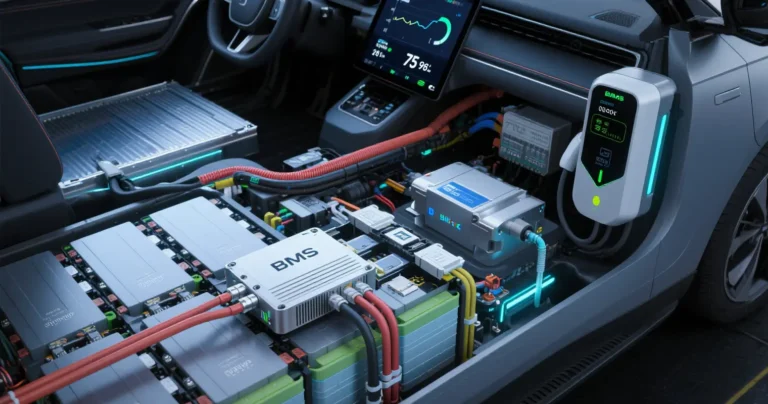
High round-trip efficiency, vibration and shock resistance, safe indoor chemistry (LFP), and communication (CAN/RS485) so the fleet manager monitors state of every robot. Thermal management matters in hot warehouses.
| Attribute | LFP lithium | Lead-acid |
|---|---|---|
| Opportunity charge | Yes | Poor |
| Maintenance | None | Watering |
| Cycles | 2000+ | 300-500 |
| Indoor safety | High | Venting risk |
Deployment Tips
Size capacity for peak shift demand plus a buffer, deploy fast chargers at natural idle points, and integrate BMS data into your warehouse management system for predictive maintenance.
Frequently Asked Questions
Can robots charge during breaks? Yes — LFP supports opportunity charging without damage.
Why not lead-acid? It needs full recharge and maintenance, killing uptime.
How do I monitor fleets? Use CAN/RS485 BMS links into your WMS for live SoC.
Written by Karl at China Battery Technology. Request a quote.