12V Lithium Battery Pack Factory: What Distributors Should Know
12V Lithium Battery Pack Factory: What Distributors Should Know
The 12 V lithium pack is the entry point for countless distributors—RVs, marine, camping, UPS and small solar all standardize on it. But distributing batteries is not like distributing phone cases: safety, warranty and certification travel with the product. This guide is for distributors and resellers who want to private-label or wholesale 12 V lithium packs without inheriting someone else’s liability.
Why 12 V stays popular
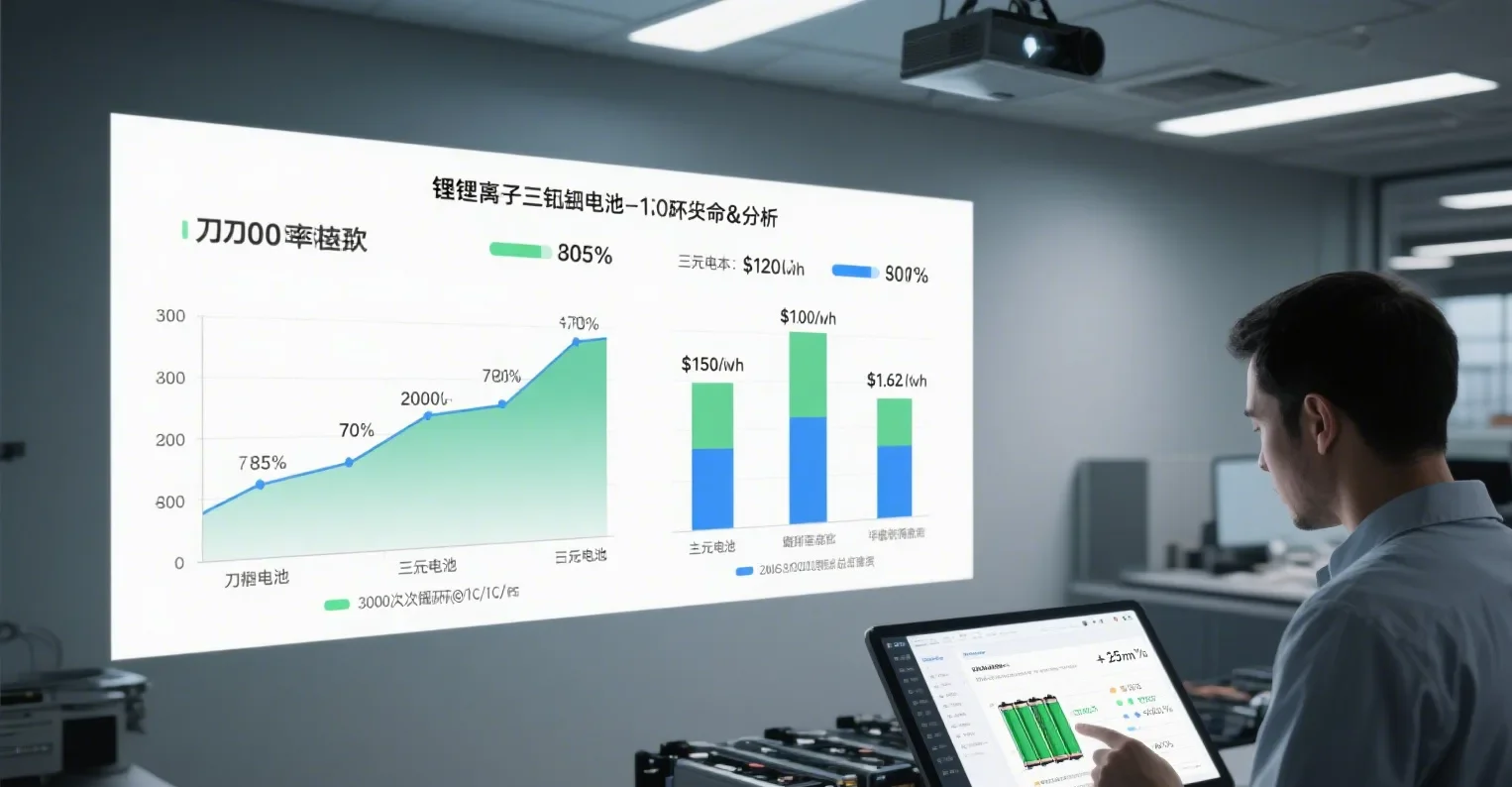
Twelve volts is the legacy standard for vehicles, boats and off-grid huts, so a lithium battery manufacturer that builds 12 V LFP taps a huge replacement market for lead-acid. LFP’s safety and long life make it the obvious lead-acid killer here. The distributor’s job is to position the upgrade honestly—more usable capacity, no watering, longer life—while owning the support story. The pitch writes itself; the work is in backing it with verified product and a clean returns path.
Building your 12V product ladder
Don’t sell one SKU. Build a ladder: a value 12 V 100 Ah for casual users, a high-current 12 V 100 Ah with 1C continuous for trolling motors and inverters, a slim 12 V 50 Ah for tight spaces, and a Bluetooth-monitored version for the premium tier. Each rung serves a distinct buyer and lifts basket size. A distributor who carries one generic pack loses the up-sell and the margin that comes with it. Map the ladder to real use cases so your sales team can match the pack to the customer instead of guessing.
What a distributor must verify
| Item | Why it matters for resale |
|---|---|
| UN38.3 Test Summary | Required to ship; must name the exact 12 V model |
| Cell grade report | Protects your warranty from early failures |
| BMS protection | Over/under-voltage, short, temp—your safety floor |
| IP rating | Matches the use (RV vs marine vs indoor) |
| Warranty terms | Cycles at DoD, with a clear RMA path |
A battery application solutions distributor should treat this table as the minimum before putting a logo on a pack. Skipping it turns a margin opportunity into a returns nightmare. Make verification a gate in your supplier onboarding, not a afterthought when a customer complains.
Private label vs white box
Private label puts your brand on a factory reference design; white box ships the factory’s brand. Private label commands better margin and loyalty but demands a mutual NDA and a non-resale clause so the factory doesn’t sell your exact pack to a rival in your territory. Confirm the tooling and artwork are yours or exclusively licensed. For marine duty, insist the pack carries proper IP and terminal isolation, because a saltwater failure is a safety and reputation event, not a quiet return. The non-resale clause is non-negotiable; without it, your own supplier becomes your competitor.
Packaging and documentation for resale
Distributors need retail-ready packaging, multilingual safety leaflets and the UN38.3 summary in the carton. Confirm the factory supplies the Class 9 lithium mark and the correct state-of-charge for transport. Retail packaging that omits the thermal-runaway warning or the recycling note is a compliance gap you inherit at the point of sale. Pair the pack with a clear install guide so end users don’t wire it in parallel wrongly and blame you. A well-designed quick-start card reduces support calls more than any FAQ page.
Certifications distributors should carry
For the EU, CE and RoHS are baseline; for portable and medical-adjacent uses, IEC 62133 may apply. North America wants UL 1642/1973 marks. UN38.3 is mandatory for every shipment. Request the actual test reports naming the 12 V model—certificates for a sibling size are worthless. Buyers tracking alternatives should ask suppliers about a sodium-ion battery option, which may suit large stationary distributors where weight is irrelevant and cost dominates. Keep a compliance dossier per SKU and version it; a cert lapses silently if no one owns the calendar.
Channel and margin strategy
12 V LFP is competitive, so margin comes from volume, private-label exclusivity and bundling (charger, monitor, cables). Set a floor price with resellers so a race to the bottom doesn’t trash the brand, and reward volume tiers with better terms. Bundling a charger and a Bluetooth monitor lifts average order value and differentiates you from the commodity marketplaces. Protect the brand by controlling who can list your SKU and at what price; uncontrolled listing is how a premium line becomes a discount bin.
Training your resellers
Your resellers are your front line, and most know lead-acid better than lithium. Train them on the three things that trip customers up: lithium needs a lithium-profile charger (not a lead-acid one), it must not be stored fully discharged, and parallel wiring requires identical packs. A reseller who mis-advises a customer creates a failure that lands on your warranty desk. A one-page cheat sheet and a short video cut support load and protect your reputation more than any advertising spend.
Warranty and RMA handling
Define warranty in cycles at a stated depth-of-discharge, not months, and agree a clear RMA flow before you stock. A distributor who cannot return a failed batch quickly loses shelf credibility. Confirm the factory will re-grade or replace within a defined window and that you are not left arbitrating cell-grade disputes alone. Keep the cell sorting report on file—it is your evidence when a customer claims premature capacity loss. Practice the RMA once on a dummy unit so the real first claim is smooth, not a fire drill.
After-sales and support SLA
Set an internal SLA: acknowledge a support ticket within one business day, ship a replacement within X days, and close the loop with root-cause notes. Customers remember how you handled a failure longer than they remember the price. A distributor with a reputation for fast, fair warranty wins repeat business that a cheaper rival cannot steal. Track failure modes in a log; if one SKU drifts, you catch a cell-grade problem before it becomes a recall.
Inventory planning for distributors
12 V moves steadily, so plan inventory around seasonality—RV and marine spike in spring, camping in summer, UPS and solar year-round. Hold safety stock of your hero SKU, but avoid over-committing to slow movers that tie up cash. Use the supplier’s MOQ to your advantage: a standing monthly commit earns better pricing and priority allocation when cells tighten. A simple spreadsheet with lead time, sell-through and reorder point prevents both stockouts and dead stock.
Common distributor mistakes
- Private-labeling without an NDA or non-resale clause.
- Stocking a pack whose UN38.3 summary names a different model.
- Ignoring IP rating and selling an indoor pack for marine use.
- Pricing on unit cost alone and forgetting RMA and support load.
- No install guide, so users miswire and blame the brand.
Frequently asked questions
Do I need my own certification or the factory’s? The factory’s valid test reports (naming your exact model) carry it; your brand appears on the declaration.
What MOQ for private label? Standard sizes often start low; custom artwork or form factors demand higher volume.
How do I protect my territory? A mutual NDA plus a contractual non-resale clause for your region, verified against the factory’s other clients.
What is the biggest returns risk? Grade-B cells and missing transport documentation—both are caught by the verification table above.
Stationary and emerging chemistries for distributors
Distributors should also watch adjacent categories. A home energy storage system buyer is often the same customer who buys 12 V for a cabin or RV, so carrying a stationary line extends the relationship and raises lifetime value. And a semi-solid-state battery tier may soon let you upsell premium portable customers who need more energy in the same footprint without a heavier pack. Keep a standing inquiry with your factory on both, and pre-qualify the certifications so you can launch quickly when the chemistry is ready. The distributor who is ready on day one of a new chemistry captures the early margin; the one who scrambles watches a rival take it. Cross-train your resellers on the upgrade path too, so the conversation is “here is the next step” rather than “we don’t carry that yet.”
Reading signals from your returns
Your RMA log is a free market-research tool. If a specific SKU drifts in failure mode—say, swollen cells in hot climates—that is a cell-grade or thermal-design signal, not a one-off. If returns cluster after a price drop, suspect a silent grade change from the factory. Review the log monthly and feed findings back to the supplier as a corrective-action request; a supplier that ignores pattern failures is one you should qualify out. The distributors who win are the ones who treat returns as data, not noise, and who adjust the product ladder and the supplier scorecard before a small signal becomes a recall. Pair the log with your failure-mode notes from support, and the same battery that caused a headache becomes the input to a better next order.
Written by Karl at China Battery Technology. Tell us your distribution region and volume and we will propose a private-label 12 V line—request a quote to review build and support terms.
Related Reading
- custom lithium battery manufacturer
- Lithium Battery OEM ODM: Custom Voltage, Capacity and BMS
- Buy Lithium Battery Wholesale: Avoiding Common Import Pitfalls