LiFePO4 Battery Advantages and Disadvantages
LiFePO4 battery advantages include safety and long life; disadvantages are lower density and cost. Weigh both for your project.


LiFePO4 battery advantages include safety and long life; disadvantages are lower density and cost. Weigh both for your project.
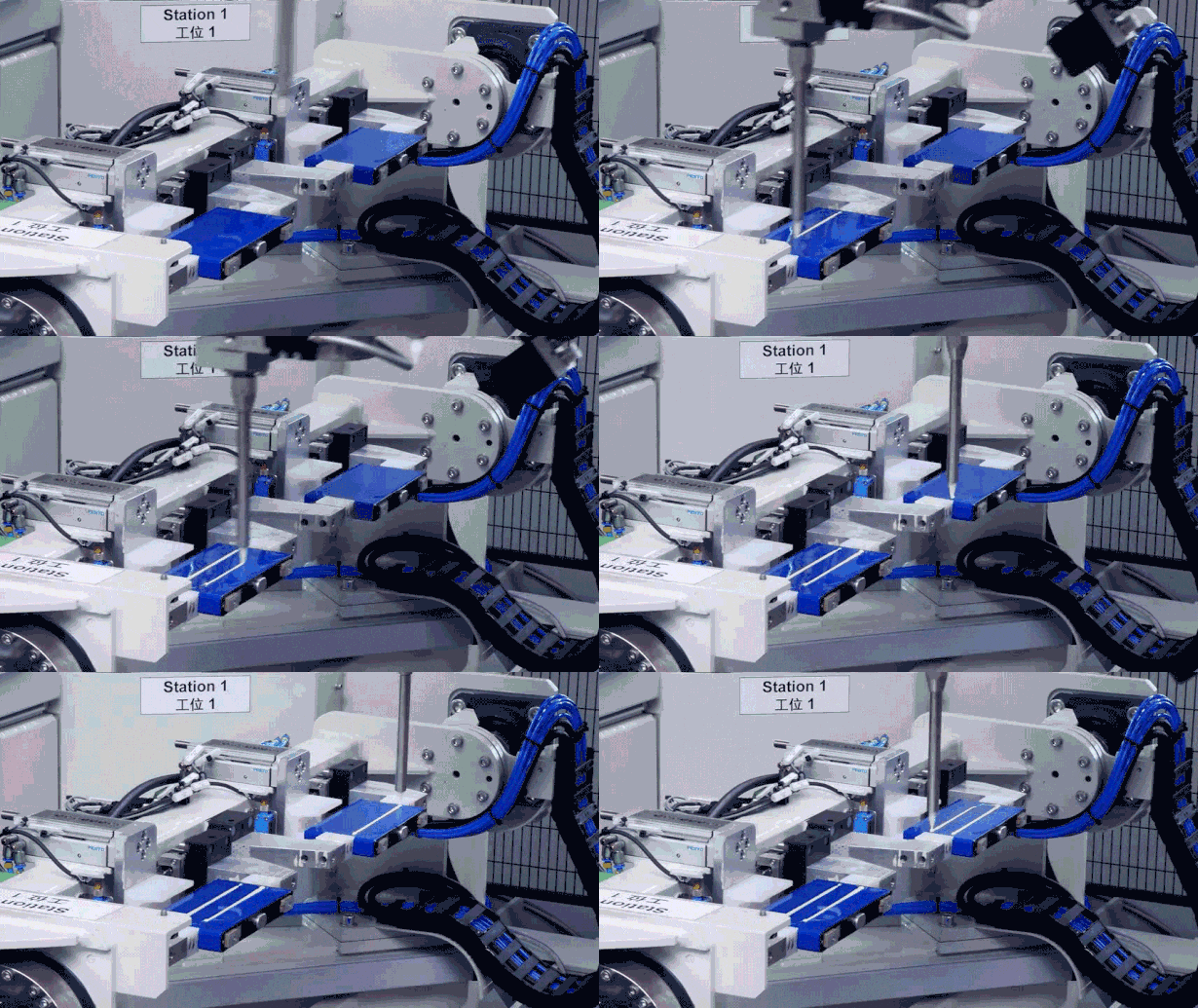
Lithium vs lead acid battery: lithium wins on life, weight, and usable capacity despite higher upfront. See the full trade-off.

Home battery installation cost in 2026 ranges $800-$1,500 per kWh installed. See what drives price and how to budget.

A modular home battery lets you stack capacity over time. See the benefits, limits, and how to plan expansion.

Home battery payback runs 5-12 years depending on tariffs and incentives. Learn the ROI math and what shortens payback.
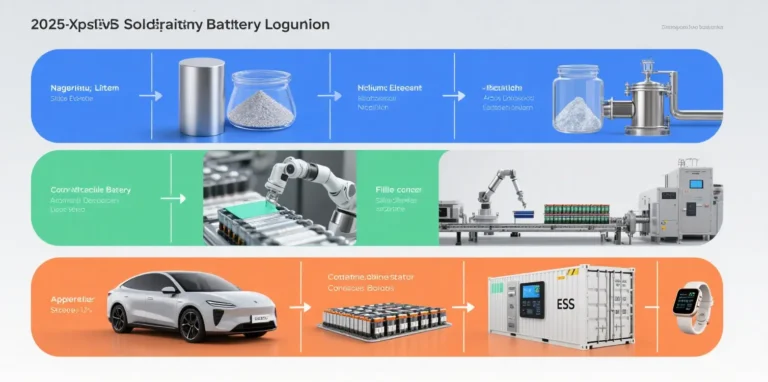
Home battery lifespan is 10-15 years for LFP with daily cycling. Learn what shortens life and how to maximize it.

Hybrid vs off-grid inverter: hybrid ties to grid and stores solar; off-grid stands alone. Pick based on your connection and goals.

Small home energy storage fits apartments using balcony solar or backup. See compact options and what landlords allow.
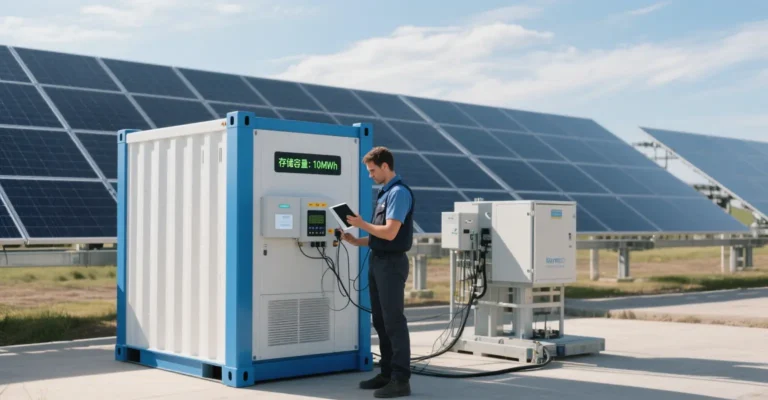
Home battery vs generator: batteries are clean and instant; generators fuel long outages. Compare cost, runtime, and noise.

Lithium battery module vs pack: a module is a building block; a pack is the finished product. Understand both for sourcing and service.