Lithium Battery Charging Best Practices
Lithium battery charging best practices extend life: use the right profile, avoid heat, and don’t trickle-charge. See the do’s and don’ts.


Lithium battery charging best practices extend life: use the right profile, avoid heat, and don’t trickle-charge. See the do’s and don’ts.

Lithium battery for e-bike usually means 36V/48V LFP or NMC. See sizing by range, charger rules, and safety tips.

LiFePO4 battery advantages include safety and long life; disadvantages are lower density and cost. Weigh both for your project.

Lithium vs lead acid battery: lithium wins on life, weight, and usable capacity despite higher upfront. See the full trade-off.

Commercial energy storage cuts demand charges and adds resilience. See sizing, peak-shaving, and how it pairs with home-scale storage.

RV lithium battery upgrade adds capacity and cuts weight versus lead-acid. See 12V/24V options, chargers, and solar pairing.

Forklift lithium battery enables opportunity charging and no maintenance versus lead-acid. See 48V/80V options and ROI.

Medical battery designs demand traceability, redundancy, and strict certs. Learn what sets medical packs apart from consumer cells.
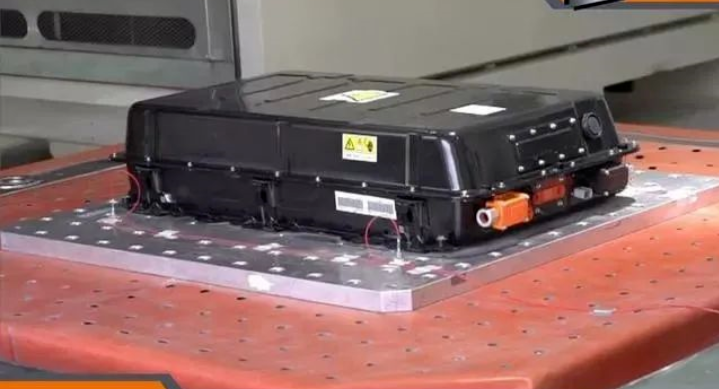
Marine lithium battery packs are lighter and last longer than AGM on the water. See IP ratings, voltage, and charging afloat.

Battery for UPS and data center is shifting to lithium for longer life and less space. See 48V rack designs and integration notes.