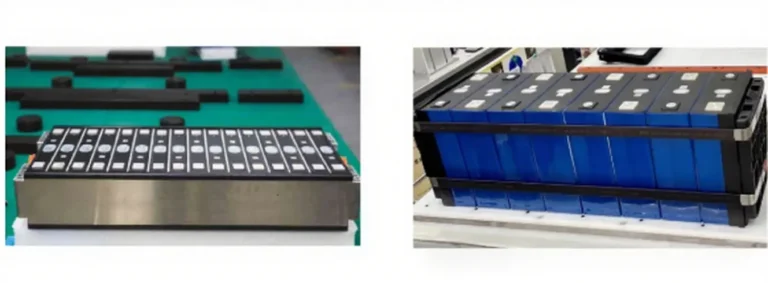
Lithium Battery for Funeral Home Backup Power
Lithium Battery for Funeral Home Backup Power
A funeral home cannot pause when the lights go out. Refrigeration, chapel audio, elevator service and preparation-room ventilation all have to keep running through a grid failure, and they have to do it quietly. That combination — long standby, instant transfer, no exhaust — is exactly what a lithium battery manufacturer can deliver in a single wall-mounted cabinet, and it is why more funeral directors are retiring their diesel gensets for lithium standby.
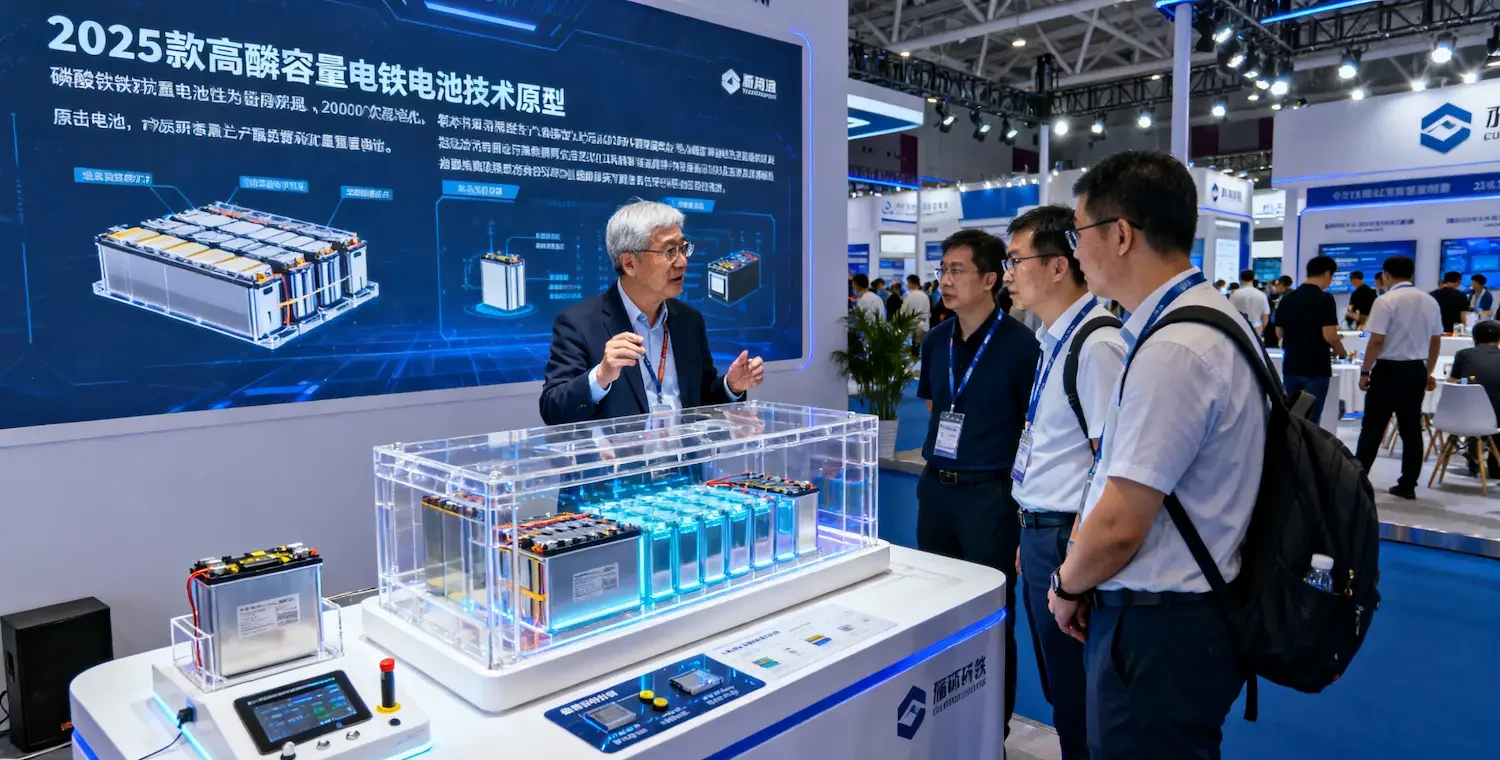
Why Funeral Homes Need Silent Standby Power
A service in progress is the worst possible moment for a generator to fire up. Engine noise carries through chapel walls, exhaust finds its way into reception areas, and a start-up delay of even ten seconds is visible on the AV system. Lithium standby switches in under 20 milliseconds, so lights, hearing-loop amplifiers and livestream encoders never blink. The system is silent, has no fuel to age, and needs no weekly exercise run to stay dependable.
What Actually Has to Stay Energized
Start from the critical schedule rather than the whole building. Refrigeration units holding decedent care are non-negotiable and often run 24 hours, so they dominate the energy budget. Add chapel lighting at reduced level, the AV rack, the hearing loop, the elevator, and preparation-room extraction fans. Reception, offices and decorative exterior lighting can be dropped to extend autonomy for the loads that matter.
Chemistry Choice for Occupied Buildings
Lithium iron phosphate is the right default wherever people occupy the space. It does not vent gas under normal operation, tolerates being held at full charge for months, and its thermal stability simplifies placement in a plant room beneath the chapel.
| Attribute | LiFePO4 lithium | Diesel genset | Lead-acid |
|---|---|---|---|
| Transfer time | <20 ms | 10–30 s | <20 ms |
| Noise during outage | Silent | 75–90 dB | Silent |
| Indoor placement | Yes | No | Vented room only |
| Routine upkeep | None | Fuel, oil, exercise | Watering |
| Service life | 10–15 yr | 20+ yr (high upkeep) | 3–5 yr |
Sizing Around Refrigeration Duty
Refrigeration is a compressor load with a large inrush, so size the inverter on surge rather than on running watts. A typical two-unit preparation room with three compressors may average 2 kW but require 8–10 kW for a second or two at start. Specify an inverter with at least 3x surge headroom for ten seconds, then size the battery for the autonomy you want — four hours is a common target, eight hours if the site is on a rural feeder with long restoration times.
Installation Inside an Occupied Building
Choose a conditioned plant room or a purpose-built enclosure rather than an unheated outbuilding; LiFePO4 charges only above 0 °C, so an unheated garage needs a low-temperature cut-off or a small heater mat. Keep the cabinet clear of public circulation, mount it on a fire-rated wall, and run the critical loads on a dedicated sub-panel so the backup does not try to carry the whole building.
Documentation and Compliance
Ask for a single-line diagram, cell-level fusing details, and the BMS communications protocol so your electrician can land the system on the existing transfer switch. Local authorities increasingly want evidence of thermal-runaway containment in occupied buildings, so request the cell certification pack and the enclosure fire rating in writing before the install date.
What to Ask a Supplier
Before signing, confirm the surge rating at your ambient temperature, the guaranteed autonomy at end-of-life capacity rather than nameplate, whether the BMS logs can be exported for your maintenance records, and who carries the warranty on the cells versus the electronics. A manufacturer who answers all four without hesitation is worth more than a cheaper quote that goes quiet on the third.
People Also Ask
How much battery capacity does a funeral home need? Most single-chapel homes land between 20 kWh and 40 kWh once refrigeration and chapel lighting are on the critical panel, which typically covers four to eight hours.
Can lithium fully replace a diesel generator? For outages under eight hours, yes. Sites that routinely see multi-day outages usually keep a small generator as a range extender and let the battery handle the first hours silently.
Is lithium safe to install inside the building? LiFePO4 with a certified BMS and a fire-rated enclosure is routinely installed in occupied buildings; check your local code for the required separation distance and signage.
How long will the system last? Expect 10–15 years of standby service, with capacity still above 70% at the end of that window if the pack is kept between 15 °C and 30 °C.
Written by Karl at China Battery Technology. Request a quote.