Sodium Ion Battery for Desalination: Off-Grid Water
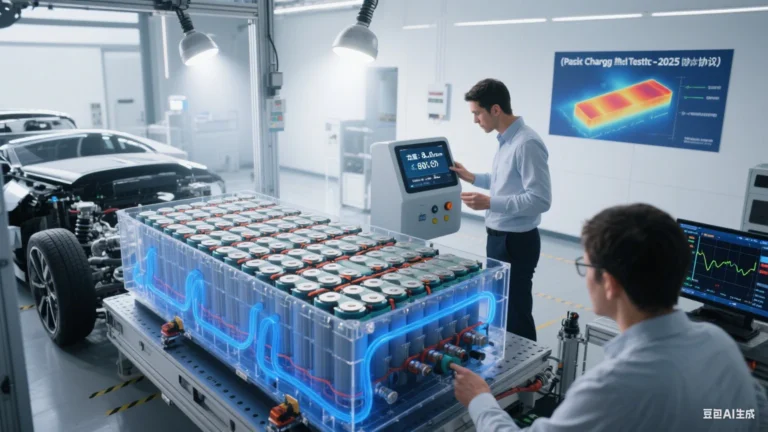
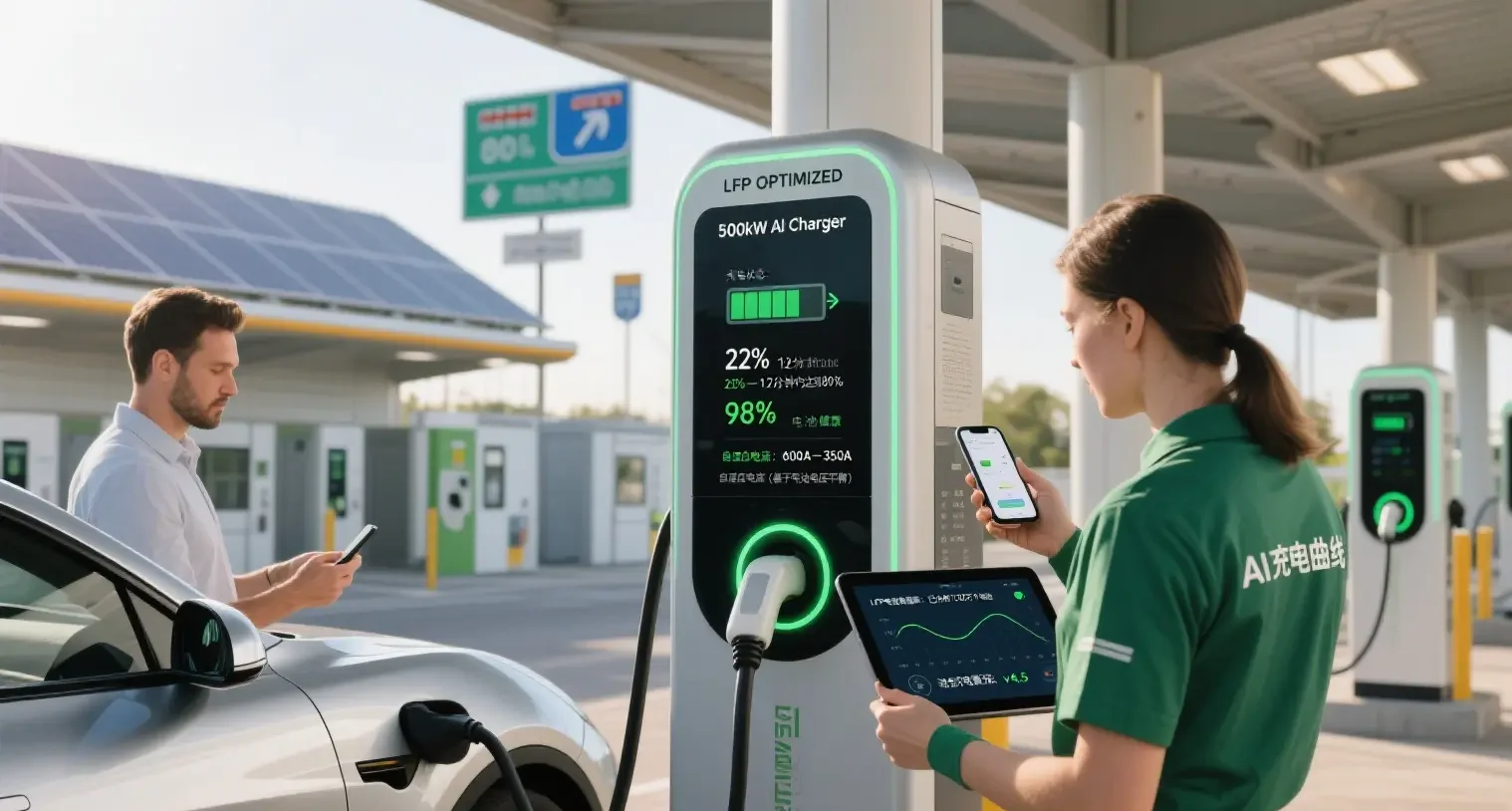
Clean water and stored energy are twin challenges for coastal and island communities off the grid. A trusted sodium ion battery supplier can store solar to run pumps and membranes. Cheap stationary capacity makes the system viable.
Energy-Water Coupling
Desalination draws steady pump and pressure energy; the battery must cover the plant through cloudy periods without grid help.
Sodium’s low cost supports the buffer size needed so the community never runs short of drinking water.
Solar Sizing
Pair the battery with enough PV to fully recharge in a good day, accounting for lower winter sun at the site latitude.
An MPPT controller and correct tilt keep yield high; slightly oversizing PV avoids a costly service trip to a remote plant.
Reliability Planning
Monitor state-of-charge remotely so operators top up or service before the buffer is exhausted and production stops.
Keep a small spare pack at the depot so a fault is a same-day swap, not a wait that denies the village water.
Comparison at a Glance
| Component | Role | Tip |
|---|---|---|
| PV | Recharge | Winter |
| Na pack | Buffer | Cheap |
| BMS | Protect | Remote |
People Also Ask
Can sodium battery run desalination? Yes, cheap stationary storage buffers solar to run pumps off-grid.
Frequently Asked Questions
How big a buffer?
Enough for cloudy days; sodium makes a large buffer affordable.
Is it remote-manageable?
Use a BMS with remote alerting so water production never silently stops.
Key Takeaways
- Couple energy-water.
- Size winter PV.
- Remote monitor.
- Spare at depot.
Selection Criteria
When you evaluate a sodium ion battery for desalination, the lowest quote is rarely the best value, because the cheapest pack can fail earliest once it meets real load and temperature swings. A qualified sodium ion battery will help you match capacity, peak discharge rate, and certification to your actual duty cycle rather than a marketing figure on a spec sheet. Prioritise Couple energy-water., Size winter PV., and Remote monitor. during supplier review, and confirm warranty and field-support terms in writing before you commit to a purchase.
Remember that total cost of ownership also includes energy efficiency, expected cycle life, and the availability of spares and local service, all of which frequently matter more than the initial sticker price you are quoted today. Ask for references from operators running the same application, and validate the battery against a representative duty cycle before scaling the deployment across your whole fleet.
- Couple energy-water.
- Size winter PV.
- Remote monitor.
- Spare at depot.
As a practical next step, shortlist two or three suppliers and request a reference installation in an application close to yours. A credible sodium ion battery will share independent case studies, validated test data, and an operator contact you can call. Compare the support offered after the sale as carefully as the headline specification, because that ongoing support often decides whether the sodium ion battery for desalination delivers its promised value across the full service life rather than only on the first day of operation.
Finally, document your acceptance criteria before delivery: the test results, warranty terms, and service response time you expect in writing. Clear expectations prevent disputes later and give both sides a measurable standard for a successful and repeatable handover of the system.
Sizing the Buffer Against Reverse-Osmosis Duty
Reverse-osmosis desalination is a pump load, not a trickle. A small community RO skid pulls 1 to 5 kW from the high-pressure pump while it runs, and the daily water target sets the energy: producing one cubic meter through a 40% recovery membrane costs roughly 2 to 4 kWh depending on salinity and pressure. A village needing 20 m3 a day therefore burns 40 to 80 kWh, and the sodium buffer must carry that through the cloudy stretch when the array cannot.
Because sodium is cheap per stored watt-hour, the economics flip versus lithium: you can size a two- or three-day buffer without the project stalling on battery cost. That buffer is what turns intermittent sun into a dependable drinking-water supply, and the larger the pack, the smaller the PV needed to top it.
Water-Safety Interlocks and Battery Isolation
Batteries and brine do not mix, so the electrical envelope must be isolated from the wet side by design. House the sodium pack in an IP65 enclosure rated for the coastal humidity, fit ground-fault protection on every AC circuit near the membrane house, and provide a visible disconnect the operator can throw before servicing the pump. A leak that reaches a live bus is both a shock and a corrosion event that kills the plant.
Keep the BMS communication cable away from the high-pressure lines and route it in conduit, because a chafed sensor wire shorting against the frame is a silent failure mode. Seal every conduit entry; salt spray finds the smallest gap and the sodium pack’s terminals are exactly what you cannot let it reach.
Hybridizing With Wind or Generator for Island Sites
Many island and coastal sites have a sea breeze the PV cannot capture. Adding a small wind turbine smooths the daily generation curve and often shrinks the required sodium buffer, because wind picks up exactly when the sun drops. Where wind is unreliable, a diesel genset on auto-start tops the bank during extended calm, and the sodium pack still does the quiet, pollution-free work most of the time.
The hybrid controller should prioritize the renewables, only calling the generator when state-of-charge falls below a setpoint, and should log every generator hour so the operator can justify a bigger array later. Tracking that data is how an off-grid water plant is tuned from guesswork into a predictable utility.
Frequently asked questions
How big a battery does RO desalination need?
Size from the pump load: 1 to 5 kW per skid and roughly 2 to 4 kWh per cubic meter produced. A 20 m3/day village needs 40 to 80 kWh daily, so a sodium buffer of two to three days keeps water flowing through cloudy periods without a huge PV array.
How do you keep the battery safe near water?
House it in an IP65 enclosure, fit ground-fault protection on AC near the membrane, and add a visible disconnect. Route and seal all conduits so salt spray never reaches the terminals, and keep the BMS cable away from high-pressure lines.
Should I add wind or a generator?
Wind often shrinks the needed buffer because it blows when the sun is down. Otherwise a diesel genset on auto-start covers extended calms, with the hybrid controller logging every generator hour to justify later array expansion.
Written by Karl at China Battery Technology. Request a quote.
Related reading: Sodium-Ion Battery for Offshore Platforms: Safer Remote Power
Related Reading
- sodium-ion battery technology guide
- Sodium Ion Battery for Reach Truck: Warehouse Value
- Sodium Ion Battery for Marine Trolling: Affordable